Nigeria’s economy remains uneven and fragile, even as major economic institutions project a stronger growth outlook for 2026, according to a Daily Trust report.
The World Bank, International Monetary Fund (IMF) and the Nigerian Economic Summit Group (NESG) have offered forecasts of medium‑term growth but also emphasised persistent risks and the need for policy stability.
At the launch of its 2026 macroeconomic outlook, the NESG projected that Nigeria’s gross domestic product (GDP) could grow by 5.5 per cent next year if key fiscal, monetary and structural reforms are fully implemented.
The outlook assumes that reforms begun in recent years — including in the foreign exchange market and public finance — continue to deepen and support broader economic activity.
The NESG also forecast that inflation could ease to about 16 per cent in 2026, compared with higher levels in 2025, and that foreign reserves may rise to $52 billion.
However, the group warned that growth remains uneven across sectors and that reversing reforms could derail progress toward these targets.
The World Bank has reported modest improvements in Nigeria’s macroeconomic framework following broad fiscal and monetary reforms.
Its Nigeria Development Update showed that growth accelerated in recent years, supported by rising non‑oil activity and stronger foreign exchange conditions.
The Bank also outlined challenges in lowering inflation and creating sufficient jobs and opportunities for ordinary Nigerians.
Meanwhile, the IMF has emphasised continued uncertainty in Nigeria’s outlook, even as reforms stabilized key economic indicators over the past two years. In an Article IV staff report, the Fund noted that enhanced confidence and improved external conditions have supported recovery.
It also highlighted the need to strengthen buffers against external shocks and widen the economic base for sustained expansion.
Analysts say these projections reflect a broader trend of economic consolidation following a period of major policy shifts. The government, central bank and private sector are focused on maintaining stability while stimulating growth and investment.
Recent reforms include tax system overhauls, exchange rate unification and subsidy removal, which have helped stabilize inflation and improve fiscal metrics, though challenges remain in translating macro gains into better living standards.
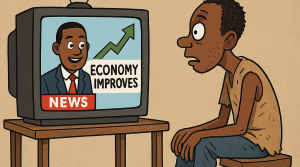
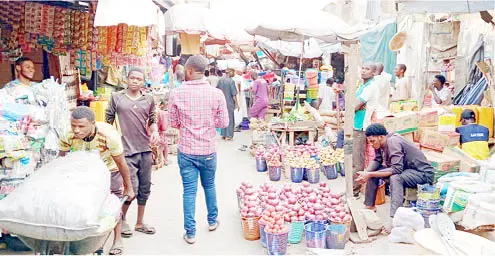
Despite projected growth, many Nigerians continue to feel the impact of high living costs. Inflation remains elevated compared with pre‑reform levels, and household incomes have lagged behind price increases.
Experts warn that without targeted measures to reduce poverty and expand jobs, growth figures alone will not improve conditions for most citizens.
The mixed forecasts from international and domestic institutions highlight a key tension in Nigeria’s economy: while growth could strengthen in 2026, the pace and inclusiveness of that expansion will depend on sustained reforms, improved policy execution and targeted strategies to reduce poverty and inflation.