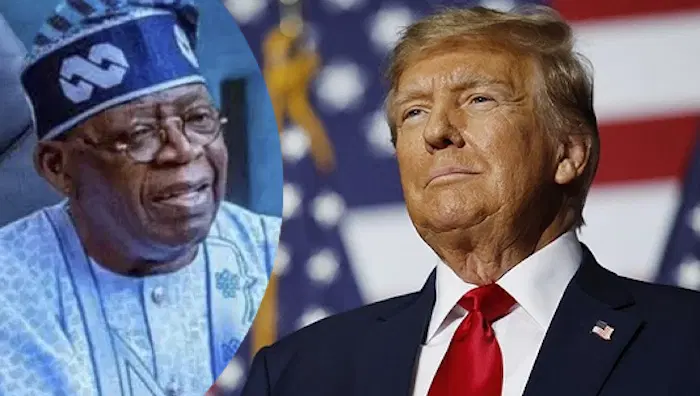
A reported $9 million (about ₦14 billion) lobbying contract approved by the Federal Government to engage a U.S. firm has sparked intense debate across Nigeria’s political landscape.
The move has drawn criticism from opposition parties and civil society groups, while ruling party officials defended it as a legitimate tool for managing Nigeria’s global image.
The contract, said to be aimed at boosting Nigeria’s international perception and diplomatic engagement in the United States, has become one of the most contentious issues in recent months.
Critics argue that spending millions on foreign lobbying is a misplaced priority given ongoing insecurity, rising living costs and economic hardship at home.
Opposition parties led the backlash. The African Democratic Congress (ADC) described the deal as an example of misplaced priorities. Its National Publicity Secretary, Bolaji Abdullahi, said no amount of paid advocacy can fix Nigeria’s image if underlying issues at home remain unresolved.
“No amount of paid lobbying can cover up bloodshed or the government’s failure to safeguard lives and property,” he said.
The Peoples Democratic Party (PDP) also criticised the spending. Its National Publicity Secretary, Ini Ememobong, said the government appeared more focused on appearances than governance.
He argued that sustainable improvements in Nigeria’s image depend on better welfare, security and economic conditions rather than foreign lobbying.
The New Nigeria Peoples Party (NNPP) expressed similar concerns, with its spokesperson Oladipo Johnson saying diplomatic channels should be strengthened instead of outsourcing image management.
The Labour Party (LP), while less formal in its response, aligned with the opposition view that millions spent on lobbying amid rising costs of food and transport is questionable.
But supporters of the lobbying effort defended it. The Lagos State chapter of the All Progressives Congress (APC) dismissed the outrage as either misunderstanding or political posturing.
Its spokesman, Seye Oladejo, said lobbying is a standard and lawful governance tool used globally to attract investment, improve diplomatic cooperation and correct misconceptions about a country.
The APC argued that many countries, including advanced democracies and emerging economies, regularly use lobbyists in capitals such as Washington, D.C. to influence policy, secure development assistance and strengthen strategic partnerships. Oladejo said the contract signals “the end of the opposition’s unrestrained demarketing of Nigeria abroad.”
Beyond partisan exchanges, the debate touches on a broader question: how Nigeria should allocate limited public funds while confronting domestic challenges.
Critics maintain that improving security, reducing poverty and expanding economic opportunities would more effectively enhance Nigeria’s global reputation than millions spent on foreign image management.
Proponents, however, say that in an increasingly competitive global environment, perception matters for foreign investment, diplomatic ties and national influence, and that strategic international advocacy can support Nigeria’s broader interests if properly aligned with domestic progress.
The controversy highlights a deeper political divide over governance priorities and public spending, with the lobbying contract emerging as a flashpoint in debates about national direction, accountability and the role of international engagement in Nigeria’s development agenda.