The All Progressives Congress (APC) is positioning itself to capitalise on widening divisions within Nigeria’s opposition landscape as parties prepare for the 2027 general elections.
A report on the political environment suggests that cracks in opposition structures have slowed their preparations, even as the APC advances its election roadmap.
As the nation approaches the 2027 polls, internal conflicts and leadership disputes within major opposition parties have disrupted mobilisation efforts and delayed preparations.
Observers say this disunity presents opportunities for the ruling APC to consolidate support and fortify its campaign strategies.
According to the report, the APC has publicly released its timetable and schedule of activities for the 2027 elections, including plans for its national convention from March 25 to March 28, 2026.
The early unveiling of this roadmap is intended to strengthen internal cohesion and allow prospective candidates ample time to prepare their campaigns.
In contrast, opposition platforms are facing organisational paralysis. The Labour Party (LP) continues to grapple with a prolonged leadership crisis, despite the Independent National Electoral Commission’s recognition of an acting national chairman following a court order.
Rival factions within the party remain unresolved, slowing mobilisation and weakening party cohesion.
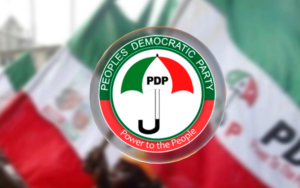
The Peoples Democratic Party (PDP), once Nigeria’s dominant opposition force, is also contending with multiple legal disputes over its leadership structure.
Ongoing cases before the Court of Appeal have stalled party activities, hindering the scheduling of congresses and compliance with electoral timelines ahead of primaries and elections.
The African Democratic Congress (ADC), emerging as a key opposition coalition platform, faces its own internal challenges.
Party congresses have been postponed, and disagreements between supporters of different presidential hopefuls have raised concerns about unity and strategic direction.
Political analysts note that defections from opposition parties to the APC have further weakened opposition structures in some states.
According to one analyst, this trend reflects uncertainty over credible primaries, access to campaign resources and internal cohesion within opposition ranks.
A political source familiar with coalition talks told Vanguard: “While the ruling party is quietly positioning itself for 2027, the opposition is still arguing over structure, leadership and who gets what. That confusion is now playing out in public.”
The development underscores broader concerns about the state of party politics in Nigeria as the 2027 elections approach. Observers note that cohesive party structures and effective leadership are critical for competitive electoral campaigns.
The opposition’s challenges in stabilising structures and resolving internal disputes could affect its ability to mobilise voters and present unified platforms.
With the APC deploying strategic planning and early preparation, internal disunity among key opposition parties could shape the competitive landscape for the 2027 general elections.
The ability of opposition platforms to resolve conflicts and galvanise support will be a key determinant of their effectiveness in challenging the ruling party.