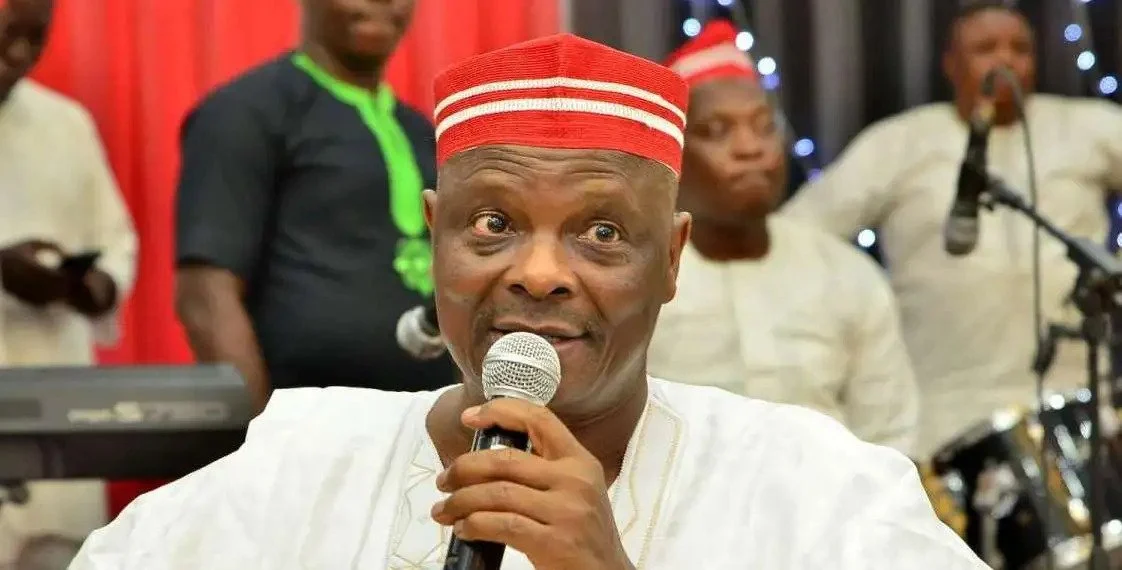
The All-Progressives Congress (APC) and the New Nigeria Peoples Party (NNPP) have rejected a proposed United States bill that recommends sanctions against former Kano State Governor and NNPP national leader Senator Rabiu Musa Kwankwaso over alleged religious freedom violations, party officials said on Thursday.
The proposed legislation, titled the Nigeria Religious Freedom and Accountability Act of 2026 (HR 7457), was introduced in the U.S. House of Representatives by Republican lawmakers, including Representatives Riley Moore, Chris Smith, Brian Mast, Mario Diaz-Balart and Bill Huizenga.
Under the bill, the United States Department of State and the Department of the Treasury would be required to consider targeted sanctions, including visa bans and asset freezes under the Global Magnitsky Human Rights Accountability Act, against individuals and entities the bill identifies as being responsible for severe violations of religious freedom in Nigeria.
Among those referenced in the proposed legislation are Kwankwaso, the Miyetti Allah Cattle Breeders Association of Nigeria and Miyetti Allah Kautal Hore.
The APC said it rejects the recommendation for visa bans and asset freezes against Kwankwaso, stating that the allegations referenced in the proposed U.S. bill cannot justify restrictions on movement or assets without due process.
The NNPP, in a statement issued from its national secretariat in Abuja, called the inclusion of Kwankwaso’s name in the bill “contrived” and said it was “curious” that he was singled out for alleged religious freedom violations when other figures connected with similar legal frameworks were not named.
The party’s National Publicity Secretary, Ladipo Johnson, said the former governor has no record of religious extremism or intolerance.
The NNPP statement said: “We see this development as a contrived action against an innocent man who clearly has no relationship with religious fundamentalism in Nigeria.”
The responses from Nigeria’s major political parties to the proposed U.S. legislation highlight concerns about the framing and basis of international actions addressing allegations of religious freedom violations.
These reactions come amid broader political engagement and public interest in issues of governance and human rights ahead of the 2027 general elections.