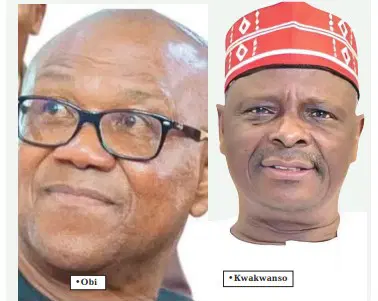
The emerging Obi and Kwankwaso alliance has triggered significant political realignments ahead of the 2027 general elections, following the movement of key opposition figures into the Nigeria Democratic Congress, NDC. The development is already reshaping opposition structures and increasing political calculations within major parties across the country.
The formation of the alliance comes after growing tensions within previous opposition coalitions and disputes over leadership direction in existing party structures. These internal disagreements created space for new political arrangements ahead of the next election cycle.
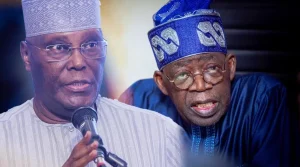
Peter Obi, former presidential candidate of the Labour Party, and Rabiu Musa Kwankwaso, leader of the New Nigeria Peoples Party, NNPP, both maintained strong electoral performances in the 2023 general election, drawing significant voter support across different regions. Their combined political influence has continued to attract attention within Nigeria’s evolving opposition landscape.
Following the emergence of the Obi and Kwankwaso alliance, reports indicate that several lawmakers and political actors have begun aligning with the Nigeria Democratic Congress, NDC. The movement has contributed to increased visibility for the party and strengthened its national presence.
Former Labour Party presidential candidate Peter Obi was reported to have stated during his unveiling in Abuja that the coalition aims to build a more united political structure focused on national development. He said: “We have come to the NDC to help build a united Nigeria that works for everyone.”
Kwankwaso also expressed support for the political arrangement, describing it as part of efforts to strengthen opposition politics and provide Nigerians with an alternative political platform ahead of 2027.
Obi and Kwankwaso alliance have also reportedly attracted some serving and former lawmakers who cited internal disputes within previous party structures as reasons for their realignment.
Senator Victor Umeh was among those reported to have left his former political platform, citing prolonged internal conflicts and instability as key concerns affecting opposition effectiveness. Political observers note that the alliance has increased discussions around coalition politics, party restructuring, and legislative alignment ahead of the next general election cycle.
The growing influence of Obi alliance with Kwankwaso is expected to significantly impact opposition strategy ahead of the 2027 elections. Analysts suggest that the alignment could alter political calculations within major parties, especially if additional political blocs continue to shift toward the NDC.
The development also highlights the increasing importance of coalition-building and political restructuring in Nigeria’s electoral process. It reflects broader debates on party stability, leadership cohesion, and electoral competitiveness.