The restoration of 22 previously suppressed state constituencies by the Independent National Electoral Commission (INEC) has renewed calls for the reinstatement of Ughelli South constituency restoration in Delta State, with stakeholders questioning why the area remains excluded despite longstanding court judgments ordering its return.
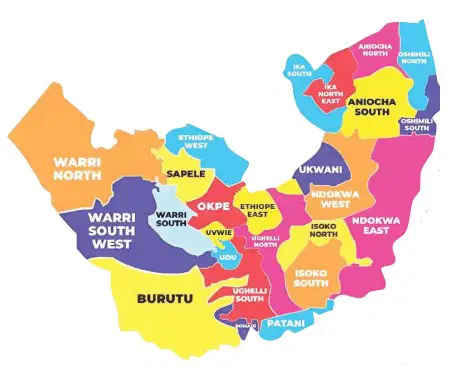
On June 10, 2026, INEC announced the restoration of 22 state constituencies across Delta, Benue, Jigawa and Kogi states following court decisions. Delta State regained six constituencies, including Aniocha North II, Ika North East II, Sapele II, Ethiope West II, Warri South West II and Warri North II.
However, Ughelli South II was absent from the list, despite securing judicial victories over a decade ago directing INEC to restore the constituency. Before 1999, Ughelli South Local Government Area had two representatives in the Delta State House of Assembly. Following an electoral delimitation exercise, INEC merged the constituencies, reducing the area to a single representative.
The dispute reached the courts in 2014 when Chief Godwin Sito and other plaintiffs challenged the suppression of Ughelli South I. On October 31, 2014, the Federal High Court in Warri ruled that INEC lacked the legal authority to suppress the constituency and ordered its immediate restoration alongside the conduct of a by-election.
The judgment was upheld by the Court of Appeal in Benin on May 28, 2015. The Supreme Court later affirmed the lower court decisions in 2017, reinforcing the directive that the constituency be restored. Despite the three judicial rulings, Ughelli South constituency restoration has not been implemented.
Stakeholders argue that INEC’s decision to restore constituencies based on more recent court judgments while leaving Ughelli South unresolved has raised questions about consistency in implementing judicial decisions. Some observers maintain that Section 287 of the Constitution requires all authorities to obey court judgments regardless of when they were delivered.
Others believe administrative difficulties and the need for fresh boundary delineation should not prevent compliance with valid court orders. The exclusion has also revived concerns about political representation, with residents arguing that the local government continues to operate with only one representative despite previous judicial recognition of two constituencies.
Analysts say the continued delay has become a broader test of institutional accountability and respect for the rule of law. Supporters of Ughelli South constituency restoration argue that implementing the outstanding judgments would strengthen confidence in Nigeria’s electoral process and reaffirm that court decisions remain binding regardless of the time that has elapsed.
While INEC has expanded representation through the restoration of several suppressed constituencies, the unresolved status of Ughelli South II continues to generate debate. For many stakeholders, the central issue is no longer whether the constituency should exist, but when the outstanding court judgments ordering its restoration will finally be implemented.