As preparations for Nigeria’s 2027 presidential election gather momentum, North votes 2027 have become the focal point of political calculations, with leading contenders and their allies positioning themselves to secure influence across the region.
Political conversations in Abuja have increasingly centred on the North’s electoral significance, following a public exchange between former Kano State Governor Rabiu Musa Kwankwaso and former Borno State Governor Ali Modu Sheriff over whether Northern voters would support Labour-turned-NDC presidential candidate Peter Obi.
Sheriff, during a television interview, argued that Northern voters would not back Obi, while Kwankwaso rejected the assertion, insisting that no individual could claim to speak for the entire region. The disagreement has since fuelled debates over who truly commands the political loyalty of Northern Nigeria.
For years, Nigeria’s political discourse has revolved around the notion of former President Muhammadu Buhari’s “12 million votes,” a phrase often used to describe his remarkable grassroots appeal across much of Northern Nigeria.
Historical election records, however, present a more nuanced picture. Buhari secured over 12 million votes during the 2003 presidential election but saw his support fall significantly in 2007 while contesting against the late Umaru Musa Yar’Adua. His popularity rebounded in 2011 before he eventually emerged victorious in 2015 after the merger that created the All Progressives Congress (APC).
Political analysts argue that Buhari’s victories reflected not only personal popularity but also the strength of broad political alliances involving the Congress for Progressive Change (CPC), Action Congress of Nigeria (ACN), All Nigeria Peoples Party (ANPP) and other political groups.
The debate surrounding North votes 2027 also highlights the long-standing diversity of Northern politics. During the First Republic, the Northern People’s Congress (NPC), led by Sir Ahmadu Bello, dominated much of the region, while Mallam Aminu Kano’s Northern Elements Progressive Union (NEPU) offered an alternative political philosophy. Subsequent democratic eras witnessed similar competition through parties such as the National Party of Nigeria (NPN), People’s Redemption Party (PRP), APP, ANPP, CPC and later the APC.
Observers note that the North has never voted as a single political bloc. Electoral priorities often differ across Kano, Kaduna, Katsina, Plateau, Benue, Borno, Kwara, Kogi and other states due to varying religious, ethnic, economic and security realities. Growing urbanisation, increased access to digital information and changing economic concerns have also reshaped voting behaviour among younger Northern voters.
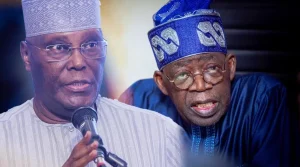
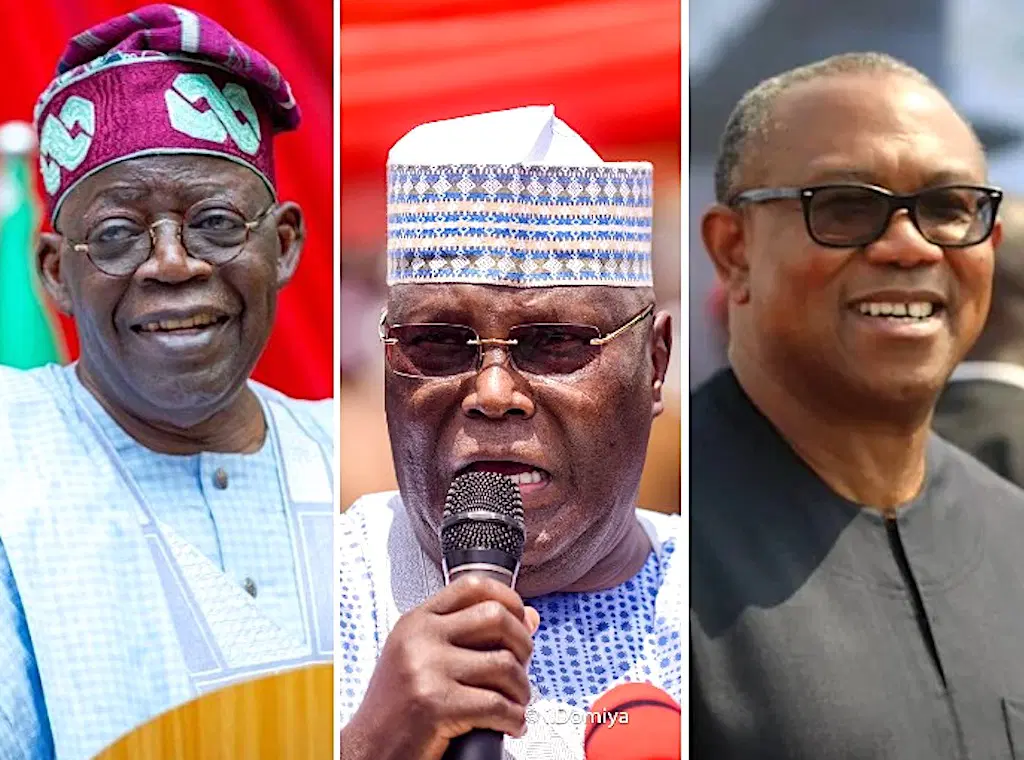
Ahead of the 2027 election, President Bola Tinubu and the APC are expected to rely on incumbency, governance records and party structures to consolidate support. Former Vice President Atiku Abubakar continues to retain political influence across parts of the North-East and North-West, while Rabiu Kwankwaso maintains a strong following through the Kwankwasiyya movement in Kano.
Peter Obi and the Nigeria Democratic Congress (NDC) are also seeking to expand their appeal among younger and urban Northern voters. Each political platform is adopting different strategies as it competes for the confidence of an increasingly diverse electorate.
Many political observers believe the contest for North votes 2027 will be shaped less by inherited political loyalty and more by voters’ assessment of governance, economic performance, insecurity, employment opportunities and national development.
Across Northern communities, concerns over rising living costs, insecurity, agriculture, education and youth employment are increasingly influencing public sentiment. Rather than relying solely on historic political influence, analysts suggest that candidates capable of presenting practical solutions to these challenges may enjoy a stronger advantage as the 2027 presidential race approaches.
While Buhari’s political legacy remains significant, many believe the next election could demonstrate that Northern Nigeria has entered a new political era—one where electoral support must be earned through policies, performance and public trust rather than assumed through historical alliances alone.