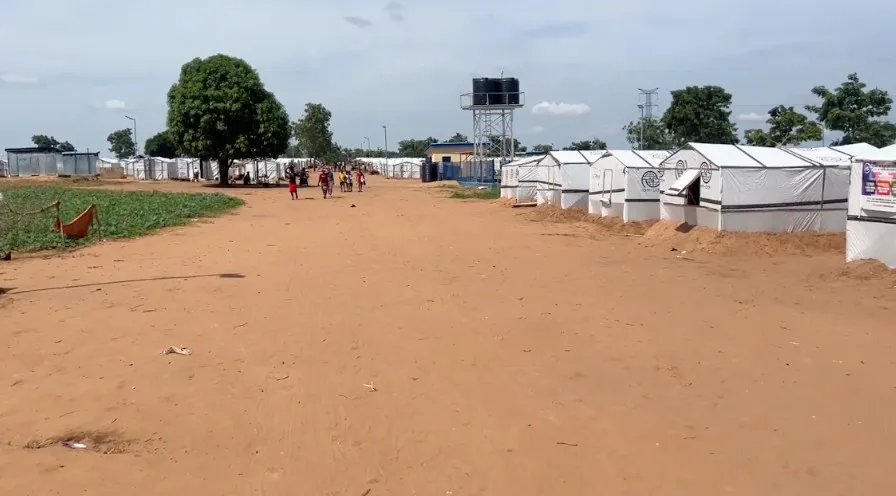
Recent reports from Benue State indicate that ongoing conflict has intensified child malnutrition, placing thousands of children at risk of severe health complications.
Displacement, disruption of farming activities, and limited access to healthcare services have created conditions for widespread food insecurity. Children in affected communities face increased vulnerability to stunting, wasting, and preventable diseases.
The situation underscores structural gaps in both humanitarian response and public health infrastructure. Agencies tasked with child welfare and nutrition interventions face logistical challenges in conflict-affected areas, including access limitations and insufficient resources.
Health experts highlight that prolonged exposure to insecurity disrupts food systems and healthcare delivery, aggravating malnutrition rates. Coordinated interventions, including food distribution, nutritional supplementation, and mobile health services, are critical to mitigating long-term developmental consequences.
Institutional accountability remains central. State and federal authorities must prioritize resource allocation, monitor program effectiveness, and ensure timely intervention in crisis-affected communities. Failure to act reinforces cycles of vulnerability and undermines citizen trust.
The conflict’s impact on child health also carries broader societal implications. Reduced human capital productivity and long-term cognitive deficits among children threaten the region’s development potential. Strategic investments in conflict resolution, livelihood support, and health infrastructure are necessary to safeguard future generations.
In conclusion, the malnutrition crisis in Benue demonstrates the intersection of insecurity, governance gaps, and public health. Strengthening institutional response, community engagement, and inter-agency coordination is essential to protecting vulnerable populations and promoting sustainable development outcomes.