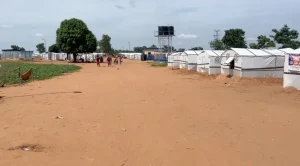

Despite festive displays in urban areas of Cross River State, socio-economic assessments reveal that many households continue to grapple with extreme poverty and limited access to essential services.
Community surveys indicate that while commercial centres and government-organized events showcase prosperity, rural households face constrained income, food insecurity, and inadequate healthcare. The contrast reflects structural disparities in resource allocation and development outcomes.
Experts argue that seasonal celebrations often mask underlying challenges that require sustained policy attention. Investment in rural livelihoods, healthcare provision, and education is critical to reducing poverty cycles.
Governance frameworks at state and local levels must integrate targeted support programs to ensure that festive periods do not obscure persistent socio-economic vulnerabilities. Inclusive budgeting, social protection, and monitoring of program delivery remain central to equitable development.
The observations in Cross River illustrate broader national concerns. Effective poverty reduction requires that festive narratives align with tangible interventions that improve household welfare and strengthen local institutions.