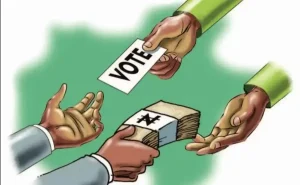

During the recent festive period, a government contractor reportedly encouraged community members to reject rice and cash gifts distributed by a sitting senator, raising concerns about political influence and civic autonomy.
Investigations indicate that the contractor’s actions were framed as a community mobilization effort, yet local residents expressed that the initiative undermined impartiality and created tension regarding equitable access to resources. The incident underscores how political interventions in public life can affect local governance and community decision-making.
Analysts observe that this event is indicative of broader systemic challenges where elected officials, contractors, and intermediaries influence resource allocation in ways that may compromise fairness and transparency. When civic spaces are used as channels for politically motivated distribution, public trust in governance institutions is at risk.
The broader implications for policy and accountability are significant. It highlights the need for clear regulatory frameworks that delineate the role of government contractors, elected officials, and community leaders in the delivery of public goods. Without such clarity, resource distribution may remain susceptible to manipulation, eroding citizen confidence in both local and national institutions.
Community stakeholders reported feeling pressure from the contractor to reject the senator’s gifts, raising questions about the voluntary nature of citizen participation in public initiatives. Experts note that this situation underscores the necessity for oversight mechanisms that ensure political neutrality in the administration of social or charitable programs, especially those connected to public resources.
In addition to governance concerns, the incident illustrates a gap in civic education and engagement. Citizens must be empowered to make informed decisions about political interventions and public service programs. Strengthening local governance structures, promoting transparency, and creating channels for grievance redress can mitigate the risks associated with politically influenced mobilization.
The case also reflects on broader electoral and political accountability issues. Resource manipulation during public events or festive periods can influence public perception, sway community loyalty, and shape political narratives. Ensuring that oversight bodies monitor such activities is critical to maintaining democratic integrity and reducing the risk of undue influence.
Policy recommendations from governance experts include codifying clear boundaries for government contractors, instituting regular audits of community programs, and enforcing accountability measures for both public and private actors. Establishing protocols for equitable distribution of resources can reduce instances of politicized mobilization.
At a national level, this incident serves as a microcosm of the challenges facing Nigerian democracy, where governance, politics, and community welfare intersect. It demonstrates the necessity of robust institutional frameworks that safeguard civic rights while promoting transparency and impartiality.
As Nigeria approaches future electoral cycles, such events highlight the importance of institutional vigilance, regulatory enforcement, and civic education. Proper alignment between policy, implementation, and oversight ensures that community programs serve public interest rather than narrow political objectives.
Ultimately, the situation underscores a broader lesson: democratic governance relies on institutions that enforce accountability, protect citizen autonomy, and ensure equitable distribution of public resources. Without these safeguards, the interplay of political influence and community welfare risks undermining public trust and institutional integrity.