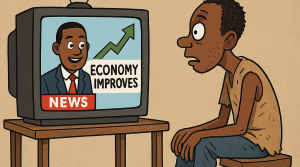

The Joint Health Sector Unions (JOHESU) has affirmed its determination to continue its nationwide strike, even after the Federal Government directed strict enforcement of the “No Work, No Pay” policy for health workers who withdraw services amid the ongoing industrial action.
The union’s stance was made clear in statements to journalists and union sources this week as tensions persist in Nigeria’s health sector.
JOHESU’s industrial action, which began on November 14, 2025, has seen members of federal health institutions—including nurses, pharmacists, medical laboratory scientists and other allied health professionals—withdraw their services to press for long‑standing demands related to salary restructuring and welfare issues.
The primary grievance centres on the Federal Government’s delay in implementing the adjusted Consolidated Health Salary Structure (CONHESS), a reform long sought by health workers to correct salary disparities and improve conditions.
In response to the ongoing strike, the Federal Ministry of Health and Social Welfare issued a circular dated January 8, 2026, directing hospital authorities to enforce the existing “No Work, No Pay” labour law for striking workers.
The directive instructs institutions to continue critical services, such as accident and emergency care, labour wards and intensive care units, by any lawful means—including the engagement of locum staff where necessary—while withholding pay from striking members.
The circular also emphasises that any staff willing to resume official duties must be allowed to do so without hindrance, and that hospital management should safeguard facilities and property during the strike.
Despite the government’s legal backing for the policy, experts have warned that this approach could worsen morale among health workers and exacerbate existing service delivery challenges in an already strained health system.
JOHESU leadership has indicated that the strike will remain in place until the Federal Government meaningfully addresses core demands, including the full implementation of the adjusted CONHESS and related welfare concerns.
While the union has not formally commented on the government’s directive, its continued action aligns with earlier decisions where labour unions have persisted with strikes until substantive negotiations are secured.
The enforcement of the “No Work, No Pay” policy illustrates the widening standoff between labour and government, with health workers ready to absorb financial hardship rather than suspend their industrial action.
Critics argue that withdrawing pay could further diminish the morale of essential service providers and trigger longer‑term workforce challenges, including increased attrition and brain drain within the health sector.
Meanwhile, some state authorities have called for renewed negotiations, urging both sides to reach a solution that restores health services and addresses the underlying issues driving the strike.
Public health advocates say dialogue and good‑faith engagement remain critical to ending the impasse and safeguarding Nigeria’s fragile health infrastructure.
The continuation of the strike amid government enforcement of “No Work, No Pay” underscores deep‑seated tensions in Nigeria’s industrial relations and highlights the need for sustainable solutions that balance labour rights, service delivery and legal frameworks governing public sector employment.