By Dr. Robert Ngwu
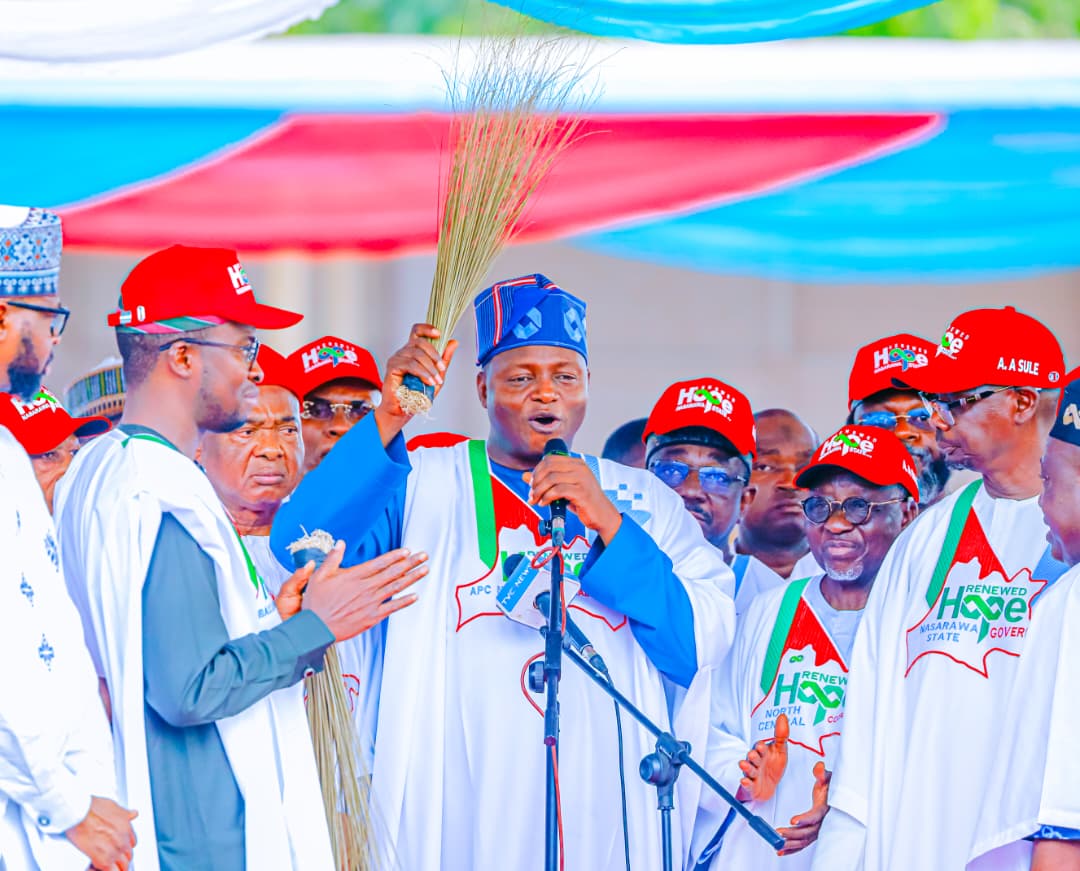
The Ofu Obi Rally held in Enugu East Senatorial Zone has generated considerable political interest across Enugu State and beyond. Officially presented as a gathering of stakeholders and supporters, the event has nevertheless raised important questions about governance, political priorities, and the direction of public discourse in the state as the 2027 election approaches.
The first question is whether Enugu has entered an unofficial campaign season nearly a year before the general election.
Across the three senatorial zones, political mobilization has intensified. Massive rallies have been organized, endorsements secured, and elaborate public events staged. While political engagement is a normal part of democracy, many citizens are asking whether the focus should presently be on political succession or on the completion of campaign promises made in 2023.
For many residents, the issue is not the size of the rallies but the timing.
The administration was elected on the strength of ambitious promises relating to water supply, economic growth, job creation, healthcare, education, security, and infrastructure. Three years into the administration, many citizens believe the more pressing conversation should be about measurable outcomes rather than political endorsements.
Particularly controversial was the reported attempt to close markets across parts of the state to encourage attendance at the rally. The public backlash that followed was swift and intense. Whether the decision originated from government officials, political organizers, or market leadership ultimately misses the larger point. Citizens increasingly resist any action that appears designed to compel political participation rather than earn it through performance.
Democracy functions best when support is voluntary.
Another interesting aspect of the rally was its branding.
The phrase “Ofu Obi” became the central theme of the event, with the word “Obi” prominently displayed across banners, billboards, caps, and campaign materials. Political communication experts have long observed how language, symbolism, and visual cues are deployed to shape public perception. In a state where Peter Obi remains extraordinarily popular following the 2023 presidential election, many observers naturally interpreted the branding through that lens.
Whether intentional or coincidental, the prominence of the word “Obi” became one of the most discussed features of the event.
Yet perhaps the most troubling aspect of modern politics in Enugu is the increasing involvement of traditional institutions in partisan political activities.
Traditional rulers occupy a unique place in society. They are custodians of culture, mediators in community disputes, symbols of communal unity, and representatives of ancestral heritage. Their legitimacy derives from the respect of their people rather than political patronage.
For that reason, many citizens believe traditional rulers should remain above partisan political contests.
This concern becomes even more significant in a political environment where major contenders for future elections come from the same senatorial zone. Neutrality protects both the integrity of the institution and the cohesion of communities.
The perception that traditional rulers are compelled to attend political events undermines the dignity of the institution and creates unnecessary tension within communities.
The rally also exposed another reality of Enugu politics.
Rather than serving primarily as a platform to showcase government achievements, substantial portions of the event appeared devoted to attacking perceived political opponents.
One of the most notable moments came from comments directed at Chief Uche Geoffrey Nnaji, widely regarded as one of the most prominent opposition figures in the state and a potential challenger in the 2027 governorship election.
This raises an obvious question.
If the administration’s record is as transformative as its supporters claim, should the conversation not be centered on achievements, outcomes, and measurable improvements in citizens’ lives?
The strongest political argument is performance.
The strongest campaign slogan is evidence.
The strongest endorsement is public satisfaction.
This brings us to what may ultimately become the defining issue of the next election: value for money.
By virtually every measure, the current administration has enjoyed unprecedented financial resources. Between federal allocations, internally generated revenue, and various financing arrangements, the state has had access to revenues that far exceed those available to many previous administrations.
This reality creates what may be described as the ₦2 Trillion Question:
Has the scale of public expenditure translated into a corresponding improvement in the quality of life of ordinary citizens?
Supporters point to investments in schools, healthcare facilities, roads, digital governance, and public infrastructure.
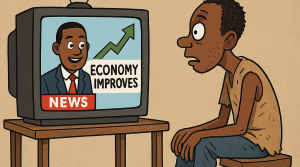
Critics acknowledge some of these projects but argue that outcomes matter more than announcements. They point to persistent concerns regarding water supply, the rising cost of living, taxation pressures on businesses, youth unemployment, migration of skilled professionals, and increasing concerns about security.
Many families today spend more on transportation, housing, food, education, and healthcare than they did three years ago. Small businesses frequently complain about the cumulative burden of taxes, levies, fees, and compliance requirements.
For these citizens, the debate is not whether projects exist.
The debate is whether the benefits justify the costs.
The debate is whether public spending has generated sufficient economic opportunities.
The debate is whether ordinary residents feel more prosperous today than they did in 2023.
Ultimately, elections are not won by rallies.
They are not won by endorsements.
They are not won by billboards, television broadcasts, or carefully choreographed political spectacles.
They are won in homes, markets, workplaces, churches, mosques, community meetings, and among families discussing their daily realities.
As 2027 approaches, Enugu citizens will likely ask simple questions:
Is water more available?
Are jobs more plentiful?
Are businesses thriving?
Is security improving?
Are communities more prosperous?
Has government delivered value commensurate with the resources entrusted to it?
Those questions—not the size of any rally—will determine the future political direction of Enugu State.
And that is why the real issue before the people is not Ofu Obi.
The real issue is performance.
The real issue is accountability.
The real issue is whether the enormous resources available to government have produced the level of transformation that the people were promised.
Everything else is merely politics.
ABOUT THE AUTHOR
Dr. Robert Ngwu, PhD
Economist, Public Policy Analyst, and Development Strategist
Published author in globally recognized, peer-reviewed Thomson Reuters-indexed journals.