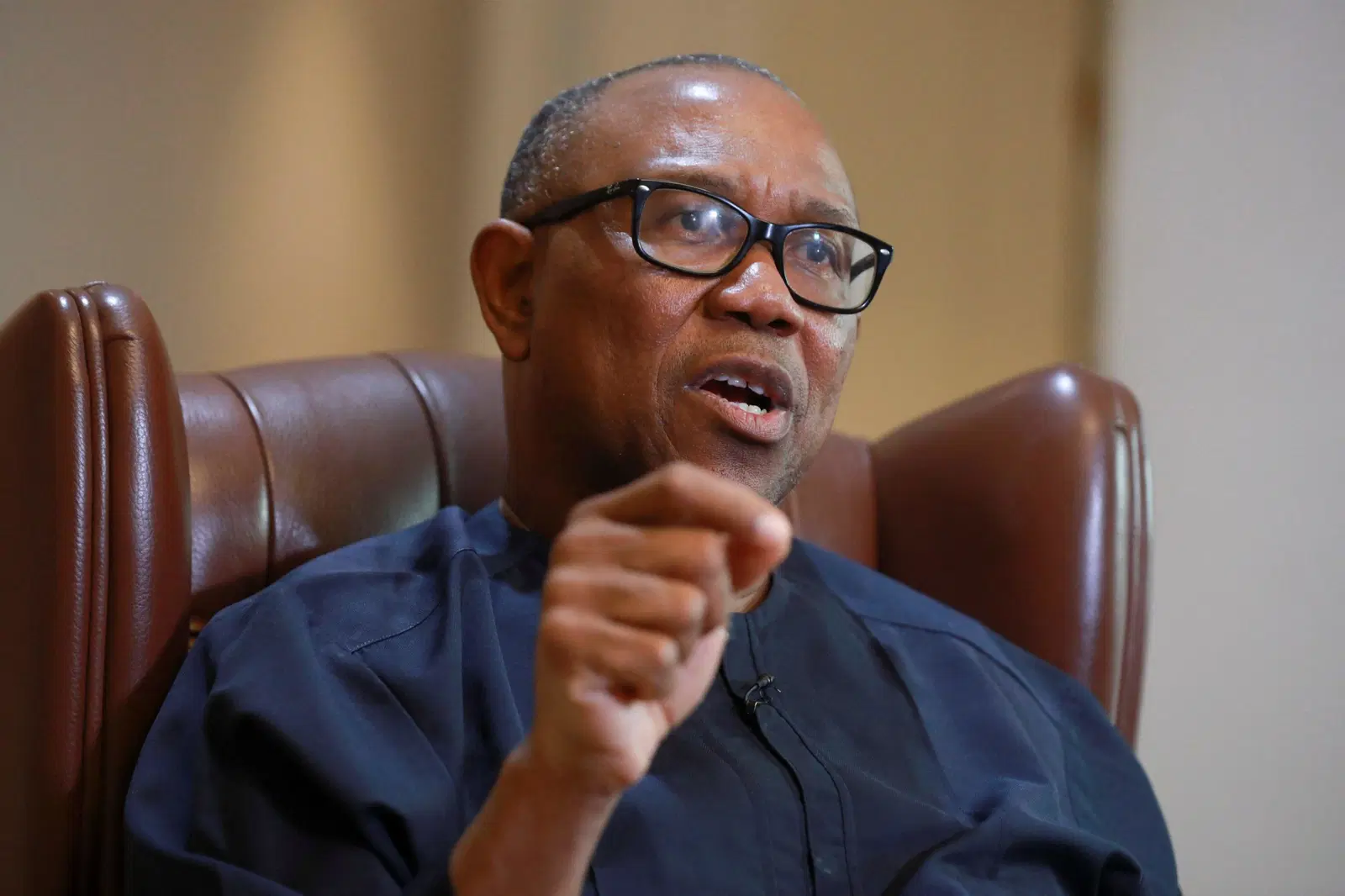
Peter Obi, former Governor of Anambra State and a prominent national political figure, has criticised the Federal Government’s newly revised tax laws, warning that “tax without trust is robbery” and calling on authorities to halt and review the implementation of the reforms to avoid further deepening economic hardship and eroding public confidence.
Obi’s remarks were made in a statement posted on his verified social media account on Tuesday, as controversies surrounding the new tax framework continue to unfold.
Obi’s statement followed the release of a review by global accounting firm KPMG, which allegedly identified 31 critical problem areas in the new tax laws — including drafting errors, policy contradictions and administrative gaps — and has fuelled public debate on the clarity and fairness of the legislation.
“You cannot enforce a social contract that isn’t understood or trusted,” Obi said, emphasising that taxation should reflect a reciprocal relationship between government and citizens.
The former governor criticised both the process and substance of the tax reforms, saying there had been inadequate public consultation or explanation of how the changes will affect taxpayers or deliver tangible benefits such as improved healthcare, education, infrastructure and social services.
He contended that without clear communication and visible public value, Nigerians are being asked to shoulder additional tax burdens without corresponding benefits.
“In Nigeria, the narrative is all about how much more the government seeks to extract, rather than what it is prepared to offer in return,” Obi said, asserting that the lack of transparency and engagement has left ordinary citizens in the dark about their obligations and the intended outcomes of the tax laws.
Obi linked the controversy surrounding the oddities in the tax law to a broader trust deficit between the government and citizens, warning that the removal of fuel subsidies and rising cost of living had already strained household budgets.
“Even after the removal of subsidies, Nigerians remain in limbo, waiting for tangible benefits or relief. Instead, they are grappling with skyrocketing food prices, exorbitant transport costs, dwindling purchasing power, and escalating poverty levels,” he said.
The former governor’s call for a pause in implementation echoes concerns from other analysts and professional stakeholders who argue that Nigeria needs a tax regime that is fair, transparent and anchored in broad public consensus to avoid deepening economic hardship and undermining unity.
Obi’s intervention comes amid continuing national debate over the tax reforms, their legal basis, and their potential impact on economic growth, investment climate, and citizens’ welfare.
Further dialogue between government officials, professional bodies, and civil society organisations is expected as pressure grows for adjustments or a more inclusive engagement on fiscal policy matters.
Implications: The ongoing dispute over Nigeria’s tax laws could influence public trust in governance and fiscal policy, with calls for explanations and possible revisions underscoring the need for greater transparency and public involvement in major economic reforms.