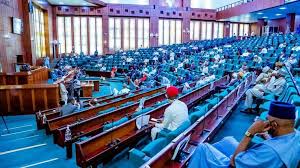
The House of Representatives on Thursday, January 29, 2026, approved President Bola Ahmed Tinubu’s N58.18 trillion 2026 Appropriation Bill and passed it for second reading, signalling strong legislative support for the government’s budget framework for the coming fiscal year.
Lawmakers described the proposal as essential to consolidating economic stability and advancing national development.
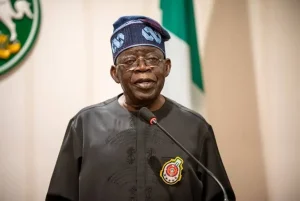
President Tinubu presented the 2026 Appropriation Bill to a joint session of the National Assembly on December 19, 2025, under the theme “The Budget of Consolidation, Renewed Resilience and Shared Prosperity.”
The bill is designed to strengthen macroeconomic stability, enhance national security and increase capital expenditure to support sustainable growth.
The Senate passed the budget for second reading in December 2025 and referred it to detailed legislative scrutiny. The House’s action on Thursday continues the constitutional process required before final passage.
During plenary, the Leader of the House, Professor Julius Ihonvbere, outlined the general principles of the budget, emphasising improved economic indicators and the need for continued fiscal discipline.
He cited a projected 3.98 per cent economic growth rate for 2026, a reduction in inflation to 14.45 per cent from earlier levels and strengthened revenue performance as reasons for legislative backing.
Ihonvbere also noted improved external reserves and a more stable exchange rate, stating that the administration’s refusal to print new currency contributed to macroeconomic stability.
Under the proposal, total revenue is projected at N34.33 trillion, while total expenditure stands at N58.18 trillion, leading to an expected deficit of N23.85 trillion. The budget allocates N15.25 trillion to non‑debt recurrent spending and N26.08 trillion to capital expenditure, reflecting a strategic emphasis on development projects.
Sectoral priorities include security and defence (N5.41 trillion), infrastructure (N3.56 trillion), education (N3.54 trillion) and health (N2.48 trillion). Lawmakers said the shift toward greater capital investment aligns with long‑term development goals.
The House passed the bill for second reading by voice vote with overwhelming support and then adjourned plenary for two weeks to allow committees to conduct detailed budget defence and scrutiny.
Ihonvbere said: “This budget is a promise and a dream. If we work together, Nigeria will be a better place—not just for us, but for generations to come.”
The House’s approval for second reading positions the 2026 Appropriation Bill for closer legislative analysis and public hearings, reinforcing the Federal Government’s agenda to consolidate economic gains and enhance national development.
The emphasis on capital expenditure and security reflects policy priorities as Nigeria seeks to sustain growth, address infrastructure deficits and improve service delivery.
By passing President Tinubu’s N58.18 trillion budget for second reading, the House of Representatives has taken a key step toward finalising the nation’s fiscal blueprint for 2026.
The subsequent committee reviews and defence stages will determine the detailed allocations and shape Nigeria’s spending priorities for the coming year.