A scheduled joint meeting of the Senate and House of Representatives Conference Committee on the Electoral Act (Repeal and Re‑enactment) Bill, 2026 did not take place as planned in Abuja on Tuesday after members of the House committee were absent, lawmakers and sources said.
The Conference Committee is tasked with reconciling differences between the Senate and House versions of the Electoral Act Amendment Bill ahead of final legislative action.
The bill’s harmonisation is part of ongoing reforms to the electoral legal framework with less than 370 days before the February 20, 2027 general elections.
The meeting was initially scheduled to begin at 11:00 a.m. at the National Assembly complex but was delayed after several key members of the House of Representatives committee did not appear, Vanguard reported.
Senators from the conference committee, including Chairman Simon Lalong, were present at the venue at the scheduled time and waited for House members, sources said.
About 20 minutes later, the senators moved to Lalong’s office before reconvening, but House members were still absent.
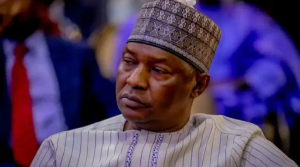
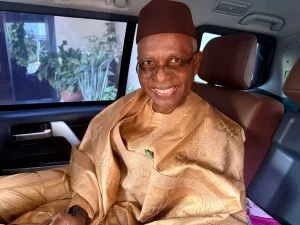
By 3:30 p.m., some senators, including Jibrin Isah, Abba Moro and Tahir Monguno, were seated at the meeting venue, but no additional House committee members had arrived, according to Vanguard. Shortly afterward, the session ended without progress on harmonising positions.
A source said the meeting was rescheduled for later at night at the Senate President’s Lodge in Maitama in an effort to align positions ahead of the National Assembly plenary.
The harmonisation committee is expected to reconcile 20 clauses of the bill, including the explanatory memorandum and the long title, with Clause 60(3), addressing electronic transmission of results — remaining one of the most contentious sections.
A lawmaker on the committee told Vanguard: “How can there be a conclusion when the meeting failed to hold?” but declined further comment as members present left the venue.
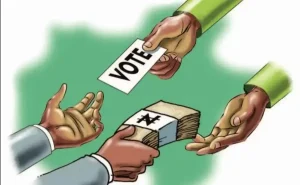
The delay in the committee harmonisation meeting comes amid broader national debate over reforms to the electoral process, notably real‑time electronic transmission of results from polling units to the Independent National Electoral Commission’s (INEC) portal, a subject of ongoing legislative and public scrutiny.