Nigeria’s long-running debate over decentralised policing has entered a decisive phase as the Senate prepares to consider the State Police Bill following its transmission by President Bola Ahmed Tinubu. The proposed constitutional amendment has attracted support from governors, security experts and lawmakers, although concerns remain over the extent of powers state governors should exercise under the new policing structure.
The proposed legislation seeks to amend the 1999 Constitution to establish state police services alongside the existing federal police system. Supporters argue that the reform would strengthen local security responses, improve intelligence gathering and bring law enforcement closer to communities.
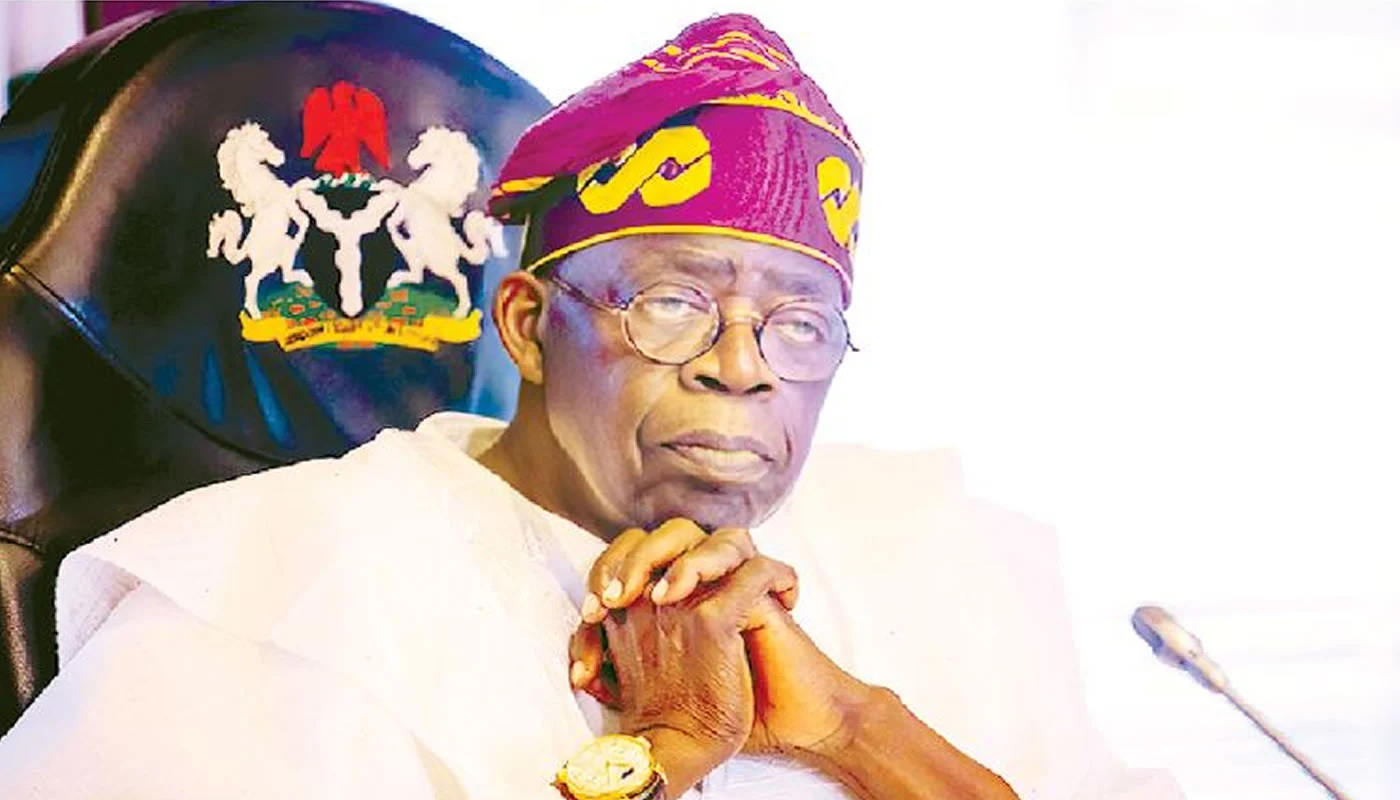
President Tinubu formally forwarded the bill to the National Assembly, describing the measure as a critical step toward restructuring Nigeria’s security architecture. Senate President Godswill Akpabio subsequently urged lawmakers to ensure full attendance for what he described as one of the most consequential constitutional votes in the country’s democratic history.
Retired military and police officers have expressed varying views on how much authority governors should wield under the proposed State Police Bill.
Retired Brigadier-General Peter Aro argued that state police should be viewed as a structured security reform rather than a political project. According to him, states should have substantial authority over intelligence gathering, investigations and community policing while operating within clearly defined constitutional limits. Aro maintained that presidential and National Assembly elections should remain under federal security control to preserve neutrality. He also called for safeguards that would prevent politically motivated arrests and prosecutions.
Retired Assistant Inspector-General of Police Ali Amodu supported significant involvement by governors, noting that state governments would be responsible for funding, equipping and maintaining the police service. He said concerns about potential abuse should not delay implementation, stressing that Nigeria’s growing security challenges require urgent solutions.
Not all security experts share the same optimism. Retired AIG Wilson Inalegwu warned that strong oversight mechanisms would be essential to prevent political interference. According to him, crimes that transcend state boundaries, including cybercrime, human trafficking, kidnapping and banditry, should remain under federal jurisdiction.
Inalegwu argued that governors already possess considerable influence over security matters and cautioned against granting powers that could be abused for political purposes. Similarly, retired Commodore Omatseye Nesiama advocated the establishment of an independent commission to advise governors on the administration and policy direction of state police services.
The Senate postponed debate on the State Police Bill after lawmakers observed a minute’s silence for late House of Representatives member Yaya Tongo of Gombe State.
Before adjourning, Akpabio described the proposal as a landmark reform capable of transforming grassroots security management. He directed the Constitution Review Committee to submit its report promptly to facilitate legislative action. Senate Leader Opeyemi Bamidele also appealed for full attendance, reminding lawmakers that constitutional amendments require support from at least two-thirds of members.
State governors have intensified calls for stronger constitutional authority over security operations within their jurisdictions. A strategic meeting involving Attorneys-General, legal experts and senior security officials reportedly examined issues relating to funding, oversight, personnel management and operational control under the proposed framework.
Supporters believe the State Police Bill would improve response times, strengthen community engagement and enhance intelligence gathering. Critics, however, remain concerned about possible political misuse and the financial implications of sustaining separate state police structures.
As lawmakers prepare for a historic vote, the future of the State Police Bill could shape Nigeria’s security framework for decades. If approved by the National Assembly and ratified by at least 24 state Houses of Assembly, the reform would represent the most significant restructuring of policing since independence, potentially ushering in a new era of community-driven security management.