Traditional practitioners and cultural stakeholders in Yorubaland have expressed concern that bribery, political influence and weakening respect for the Ifa Oracle are contributing to disputes and legal challenges in the selection and installation of Yoruba kings, according to comments reported by traditional affairs observers on Saturday.
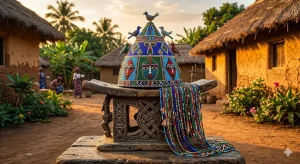
Yoruba traditional systems historically involve kingmakers consulting the Ifa Oracle to determine the selection of Obas following customary practices.
In recent years, however, several chieftaincy processes have drawn public attention due to suspensions, contestations and court cases.
For example, the Ogun State government suspended the selection process for the next Awujale, the paramount ruler of Ijebuland, for a second time amid allegations of bribery involving contestants. Seventy‑five kingship aspirants had been reported to have contested for the stool.
In Oyo State, the Alaafin of Oyo selection process involving 82 aspirants was also publicly challenged last year when the governor rejected choices by kingmakers, citing alleged irregularities.
Controversy also arose over the coronation of the Soun of Ogbomoso, which was initially nullified by an Oyo High Court in 2023 before being upheld by the Court of Appeal.
Concerned traditional practitioners said that when the spiritual foundations of kingship weaken, disputes over legitimacy and authority increase.
They said such disputes tend to lead to public disagreements, litigation and prolonged instability within affected communities.
Stakeholders also said politicians and government officials had been accused of influencing the selection of monarchs, contributing to perceptions that non‑traditional interests are affecting customary processes.
Dr. Fayemi Fatunde Fakayode, President of the International Council for Ifa Religion (ICIR), said controversies emerge when decisions are made based on money, ambition and power rather than adherence to established customs and spiritual practices.
Dr. Fakayode said, “The controversy surrounding the selection and installation of traditional rulers in Yorubaland is deeply unfortunate and should ordinarily not occur in a system guided by sacred tradition.”
He added, “The controversies we witness today arise because human interests such as money, personal ambition and political interference have taken precedence over established customs and spiritual order.”
The issues raised by traditional stakeholders reflect broader discussions about the integrity of customary institutions in Nigeria and the interaction between traditional practices and contemporary governance structures.
The selection and recognition of traditional rulers have implications for community leadership, social cohesion and cultural continuity across the country.