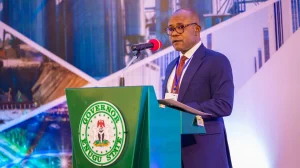
The Nigeria Governors’ Forum (NGF) has disclosed that a ₦100000 minimum wage is among the proposals being examined by state governors as discussions continue on a new national wage structure aimed at improving workers’ welfare while taking into account the fiscal realities of individual states.
The debate over a ₦100,000 minimum wage comes amid growing concerns about the rising cost of living, inflation, transportation expenses, and declining purchasing power affecting workers across Nigeria.
Labour unions have repeatedly called for a substantial increase in wages following economic reforms that have significantly increased the cost of goods and services. The Federal Government, organised labour, and state governments have been engaged in consultations over what should constitute a realistic and sustainable national minimum wage. State governments have consistently argued that any new wage framework must reflect their revenue capacity and financial obligations, including infrastructure projects, debt servicing, pensions, and other recurrent expenditures.
Speaking on the ongoing negotiations, the Nigeria Governors’ Forum indicated that a ₦100000 minimum wage is one of the figures being considered as part of broader discussions involving stakeholders. According to the NGF, governors are reviewing various proposals with the objective of reaching a balance between improving workers’ earnings and ensuring states remain financially capable of meeting their obligations.
The forum stressed that discussions are still ongoing and that no final decision has been reached regarding the exact amount that will eventually be adopted. Officials noted that the process involves careful assessment of state revenues, expenditure commitments, and long-term sustainability considerations.
The governors also acknowledged the economic pressures facing workers and the need for an improved wage structure capable of providing relief amid rising living costs. At the same time, the NGF maintained that any wage adjustment must be implemented in a manner that does not create financial instability for state governments or result in unpaid salary obligations.
The consideration of a ₦100000 minimum wage represents one of the most significant wage proposals in recent years and reflects growing pressure on policymakers to respond to the economic challenges confronting Nigerian workers. Labour leaders have continued to advocate for higher wages, arguing that current earnings no longer adequately meet basic household needs due to inflation and increasing costs across multiple sectors.
The discussions surrounding a ₦100000 minimum wage carry significant implications for both workers and government finances. For workers, an increase could provide additional income to cope with rising living expenses. For governments, however, implementation would require careful budgeting and financial planning to ensure sustainability across federal and state institutions. Economists note that wage increases are often influenced by revenue growth, inflation trends, and broader economic conditions.