The question of 2027 election credibility is increasingly becoming a major concern among Nigerians, with political leaders expressing confidence in the ballot while observers and citizens demand stronger safeguards.
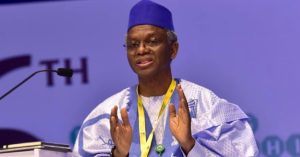
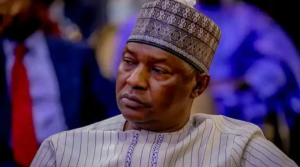
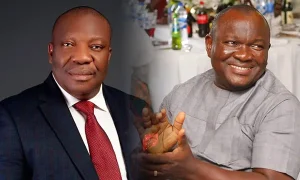
The debate followed the unveiling of the “Reset Nigeria” agenda at the inauguration of the APM presidential campaign office in Ibadan, where Oyo State Governor Seyi Makinde, Labour Party presidential candidate Peter Obi, Bauchi State Governor Bala Mohammed and other opposition figures expressed confidence that Nigerians’ votes would determine the 2027 election.
Their optimism, however, comes amid concerns over alleged threats against voters and political opponents by some political actors, as well as unresolved issues from the 2023 general elections.
For some Nigerians, the credibility of the next election will depend on whether the problems experienced in 2023 are properly addressed before voters return to the polls.
Alagoa Morris, Chief Operating Officer of Environmental Conservation Agriculture and Rural Development, ECARD, said his confidence in the electoral process had been badly affected by the lack of visible punishment for electoral violence.
Morris also criticised the performance of electronic result transmission during the 2023 election, saying the experience had left him unconvinced that the next election would be substantially different.
Prof. Benjamin Okaba, immediate past President of the Ijaw National Congress, said optimism about 2027 was necessary but insufficient.
He argued that credible elections required strong institutions, respect for the law, reliable electoral technology and citizens prepared to participate and defend democracy peacefully.
Okaba urged INEC to learn from the weaknesses of 2023 and thoroughly test its systems and logistics ahead of the election. He also called on security agencies to remain neutral and for anyone threatening voters to face the law.
Similar concerns were raised by Tare Maureen Amananaghan, Executive Director of Fringe Voices Development Foundation, who said the central issue was not whether Nigerians would vote but whether valid votes would be accurately recorded, protected, collated and reflected in the final results.
She said the responsibility for electoral integrity should be shared by INEC, political parties, security agencies, observers, the media and citizens.
Zik Gbemre of the Niger Delta Peace Coalition warned that political desperation and alleged intimidation could undermine the process if left unchecked. He nevertheless urged Nigerians to participate actively and protect their votes throughout the collation process.
Retired army officer Chief Augustine Oko was more pessimistic, predicting that desperation, poverty and political violence could make the 2027 election particularly difficult. He expressed concern that political actors could resort to extreme measures in their pursuit of victory.
Other voices offered a more cautious optimism. Jimoh Olufemi, a public affairs commentator, said votes could still count if opposition parties became more proactive in monitoring irregularities and raising concerns with relevant stakeholders.
He pointed to the August 2026 Osun governorship election as evidence that credible electoral outcomes remained possible when citizens took their civic responsibilities seriously.
Ola Animasaun, another public affairs analyst, also said improvements in INEC’s preparedness during recent off-cycle elections offered some grounds for hope.
He stressed that the IReV system would need to become more reliable, while INEC must guarantee a level playing field for all contestants.
For Comrade Ashaye Wasiu of United Action for Democracy, the 2027 election requires more than political speeches.
He called for stronger civic education, improved electoral technology, comprehensive testing of BVAS and IReV, citizen monitoring and effective prosecution of vote-buying, intimidation and other electoral offences.
Oyo SDP governorship candidate Mogaji Olusegun Agboola said he remained optimistic about Nigerians but cautious about the electoral system.
He argued that INEC should demonstrate, rather than merely promise, that votes would be properly recorded, transmitted, collated and protected.
Former Ondo SDP chairman Stephen Adewale similarly said the independence of INEC, neutrality of security agencies and transparency in result management would determine whether Nigerians could trust the outcome.
Rt. Hon. Bakkita Bello, former Speaker of the Ondo State House of Assembly, said citizens could overcome intimidation through collective vigilance, pointing to the lessons from the recent Osun election.
Edo IPAC chairman Bishop Akhalamhe urged political parties to focus on their manifestos and allow voters to determine who should govern.
Meanwhile, Middle Belt Forum President Dr Bitrus Pogu argued that political intimidation could itself indicate that politicians were worried about the power of the ballot.
Across the different perspectives, there was broad agreement on one point: Nigerians should not rely on optimism alone.
The 2027 election will require INEC to address weaknesses exposed in 2023, security agencies to protect voters without partisan interference, political actors to respect democratic competition and citizens to remain vigilant.
Ultimately, the credibility of the election will be tested at the polling unit, where Nigerians must be able to vote freely and have confidence that their choices will survive every stage of the electoral process.
For many of those interviewed, the real question is therefore not simply whether Nigerians will vote in 2027, but whether the votes they cast will be the votes that decide who governs the country.