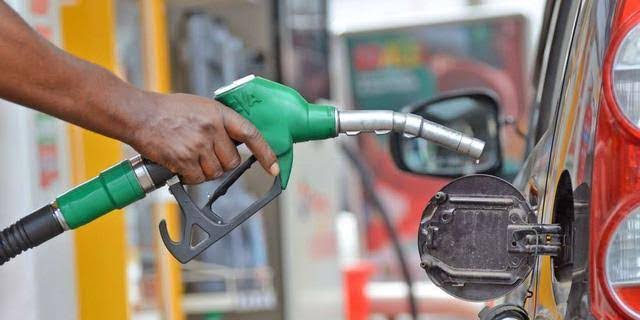
Concerns over fuel costs hardship took centre stage during the 2026 Workers’ Day celebration in Lagos, as workers across sectors decried rising petrol prices and worsening living conditions. The fuel costs hardship situation, according to respondents who spoke with the News Agency of Nigeria, has significantly increased the cost of transportation, food, housing, and other essential services, affecting workers’ welfare nationwide.
The fuel costs hardship complaints were expressed as Nigeria joined the global community to mark International Workers’ Day, themed “Insecurity, Poverty – Bane of Decent Work.”
Workers in Lagos used the occasion to highlight the economic realities facing employees amid rising inflation and energy costs. The removal of fuel subsidies and subsequent petrol price increases have been widely linked to higher operational and living expenses across the country.
The fuel costs hardship trend reflects broader economic challenges affecting workers’ purchasing power, as wages have remained largely static despite rising costs of basic goods and services.
Several workers who spoke during the Workers’ Day event described the economic situation as increasingly difficult. They noted that rising petrol prices have triggered increases in transport fares, food prices, rent, and other essential expenses.
A businesswoman in Ikeja, Mrs Rose Adams, said businesses are under pressure due to higher operating costs. She stated that many entrepreneurs are struggling to remain viable in the current environment.
A salesman in Ajah, Mr Jide Bane, described the situation as troubling, noting that transport and food costs have risen while salaries remain unchanged. He said, “It is painful that a resource-rich country still battles high energy costs and poor living conditions.”
Another respondent, Mrs Grace Ngbekem, emphasised the widespread impact of fuel price increases, stating that rising petrol costs affect nearly all sectors of the economy.
Similarly, a federal civil servant, Mrs Nkechi Nwosu, noted that the current minimum wage no longer reflects prevailing economic realities. She pointed to rising school fees, rent, and food costs as major concerns.
A legal practitioner, Mr Johnson Rapheal, also linked rising petrol prices to increased costs of goods and services, warning that economic hardship is affecting the average worker.
The fuel costs hardship concerns raised by workers highlight ongoing economic pressures facing Nigeria’s workforce. Rising energy costs continue to influence inflation levels, with direct effects on transportation, food supply chains, and housing expenses.
The situation also raises policy considerations for both federal and state governments regarding wage adjustments, economic reforms, and targeted interventions to ease cost-of-living pressures. Additionally, workers warned that unresolved economic challenges could influence civic participation, including voter turnout in future elections.