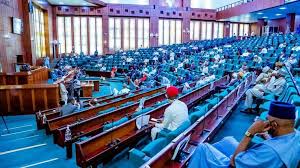
The House of Representatives has begun efforts to tighten alcohol regulation in Nigeria through a proposed national control framework designed to address alcohol-related harm and improve public health protections. The bill, which has passed first reading, seeks to establish stricter oversight on alcohol production, marketing, distribution, and consumption nationwide. Lawmakers said plans to tighten alcohol regulation are necessary to reduce underage drinking and substance abuse concerns across the country.
Nigeria currently operates a fragmented system of alcohol control involving different regulatory agencies and state-level measures. Public health experts and advocacy groups have repeatedly called for a unified national policy to address the social and health effects associated with alcohol abuse.
Concerns over rising substance dependence among young people, drunk driving, domestic violence, and alcohol-related illnesses have intensified in recent years. The latest move to tighten alcohol regulation comes amid broader national conversations around drug abuse prevention and healthcare reform.
The proposed legislation is titled “A Bill for an Act to Provide for the Control, Regulation and Reduction of Alcohol-Related Harm in Nigeria.” The bill is sponsored by the Chairman of the House Adhoc Committee on Drug Trafficking, Tobacco and Alcohol Abuse, Oluwatimehin Adelegbe. According to the lawmaker, the bill seeks to regulate alcohol production, importation, distribution, advertisement, and public access across the country.
Speaking in Abuja, Adelegbe said: “This bill is not about prohibition—it is about protection, responsibility, and national development.” He explained that consultations were held with public health experts, civil society organisations, government agencies, and industry stakeholders before the draft legislation was introduced.
The proposed framework to tighten alcohol regulation would establish stronger restrictions on alcohol advertising, especially where minors may be exposed, while also promoting awareness campaigns and data collection systems.
The House committee also acknowledged contributions from A New Thing International Foundation and its lead consultant, Ambassador Kenneth Anetor, during the drafting process.
The decision to tighten alcohol regulation could significantly affect public health policy and alcohol industry operations in Nigeria if the bill is eventually passed into law. Health professionals have argued that stronger national oversight may improve enforcement against underage access to alcohol and reduce harmful consumption patterns.
The proposed reforms may also strengthen collaboration between healthcare institutions, regulatory agencies, and law enforcement bodies involved in substance abuse prevention. The broader debate around efforts to tighten alcohol regulation reflects increasing concern about the economic and social impact of alcohol-related harm nationwide.