Civil society organisations have called on the Federal Government to release the JBS MoU reportedly signed with Brazilian meat-processing giant JBS over its proposed $2.5 billion investment in Nigeria. The groups said public access to the agreement would allow Nigerians and affected communities to examine its terms and identify potential environmental, economic, health and social implications before the project becomes fully operational.
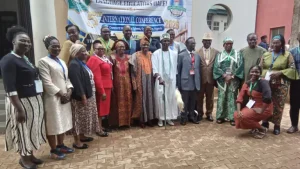
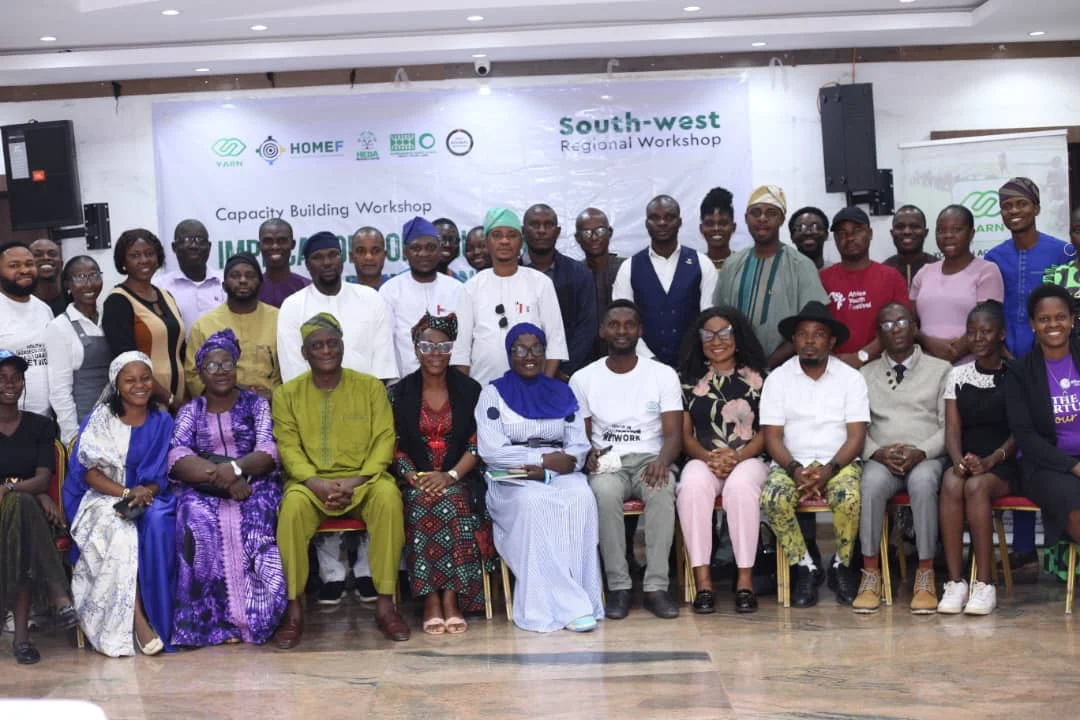
The demand was made on Wednesday during a capacity-building workshop organised by the Youth in Agroecology and Restoration Network for civil society organisations in the South-West. The event focused on sustainable alternatives to industrial animal farming and was held in Abeokuta, Ogun State.
YARN Director of Consultancy, Oluwaseyi Olayemi, said the organisations were not opposed to foreign investment or development. Rather, he said, their concern was to ensure that adequate safeguards were established before the proposed investment proceeds.
Olayemi argued that releasing the JBS MoU would enable civil society groups to examine its provisions and make recommendations where necessary. He said Nigeria should learn from its experience with the oil industry, where inadequate safeguards and poor management contributed to long-term environmental and social challenges.
“We are not anti-development, but the government needs to do the needful. Let civil society have access to this MoU so that we know what is in it,” Olayemi said.
He added that early scrutiny could help identify areas requiring correction before JBS begins full operations.
Olayemi also raised concerns over efforts by civil society groups to obtain the agreement. According to him, officials of the Federal Ministry of Livestock allegedly directed the groups to the states, claiming that the document was domiciled there. However, he said officials in Ogun, Niger, Cross River and other states allegedly referred them back to the Federal Government.
He described the situation as confusing and said the lack of access to the document made it difficult for the organisations to properly assess or criticise the proposed investment. Olayemi also called for stronger enforcement of Nigeria’s environmental and agricultural regulations, while urging authorities to review outdated rules where necessary.
Another participant, Basiru Okanlawon of Advocacy on Conservation Innovation and Green Initiative Concept, said access to the JBS MoU was important because CSOs needed reliable information to educate affected communities.
Okanlawon acknowledged the importance of investment to Nigeria’s development but urged authorities to carefully assess projects that could potentially worsen existing environmental or public health challenges. He said stakeholders had received information about the proposed agreement but had not been allowed to examine the actual document.
“As of today, I’m talking to you, nobody has ever been privileged to see the MoU,” Okanlawon said.
He urged civil society organisations to intensify advocacy through legislative and other institutional channels to secure access to the agreement.
A communiqué issued after the workshop identified several possible risks associated with large-scale industrial livestock production. Participants cited possible land-use conflicts, displacement of communities and smallholder farmers, waste generation, groundwater contamination, air pollution and biodiversity loss.
They also raised concerns about greenhouse gas emissions, public health and antimicrobial resistance. The participants consequently called for greater emphasis on agroecology, regenerative agriculture, farmer-led food systems and diversification of protein sources.
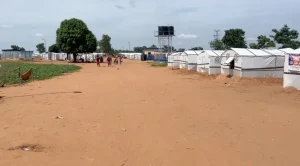
Olayemi also expressed concern over alleged developments in Niger State, claiming that some farmers and communities had been displaced. He urged civil society organisations, farmers, youths and affected communities to pursue accountability through constructive engagement with government rather than unnecessary confrontation.
The participants ultimately urged the Federal Government and relevant state authorities to make the JBS MoU publicly available. They also called for independent and comprehensive Environmental and Social Impact Assessments before industrial animal-farming projects are approved.
The groups maintained that transparency at the beginning of the investment process would allow potential risks to be identified and addressed before they become difficult or costly to reverse. The proposed JBS investment has therefore triggered a wider conversation about how Nigeria balances foreign investment with environmental protection, community interests, public health and the rights of smallholder farmers.