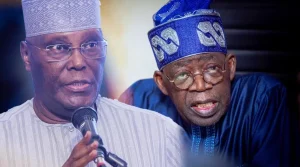
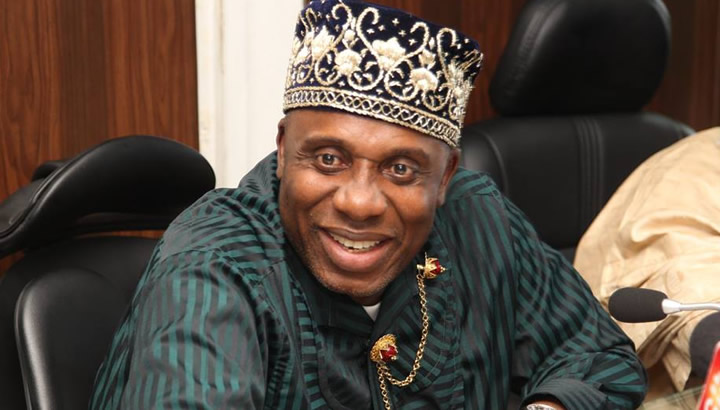
ADC primary crisis escalated following reports that former Rivers State Governor Rotimi Amaechi rejected the outcome of the African Democratic Congress presidential primary in which former Vice President Atiku Abubakar emerged as the party’s candidate, triggering immediate internal disagreement over the legitimacy of the exercise.
The crisis comes at a time when opposition parties are undergoing internal restructuring and realignments ahead of the 2027 general elections.
The African Democratic Congress presidential primary had been positioned as a key process to select its flag bearer, attracting attention due to the involvement of prominent national political figures, including Atiku Abubakar and Rotimi Amaechi. The process is part of the constitutional requirement for political parties in Nigeria to conduct internal elections to determine candidates for presidential contests.
The ADC primary crisis intensified after Amaechi reportedly rejected the outcome of the exercise that produced Atiku Abubakar as the party’s presidential candidate.
According to the report, Amaechi’s rejection was linked directly to disagreement with the declared result of the primary, raising questions within the party over acceptance of the outcome and internal consensus. The primary had already concluded with Atiku Abubakar declared as the winner, but Amaechi’s reaction introduced immediate tension within party ranks, as stakeholders began responding to the legitimacy of the process and its outcome.
The crisis further reflects divisions within the party following the emergence of a presidential candidate, with competing interpretations of the conduct and acceptability of the primary process. Party actors and supporters aligned to different camps have since engaged in discussions over whether the process reflected full internal agreement or whether procedural disputes remain unresolved.
The ADC primary crisis highlights ongoing challenges in maintaining cohesion after internal party elections, especially where high-profile political figures are involved. Such disputes can affect campaign unity, voter perception, and early mobilisation efforts ahead of national elections. The situation also underscores how contested primaries often shape internal negotiations and influence future alliances within opposition parties.