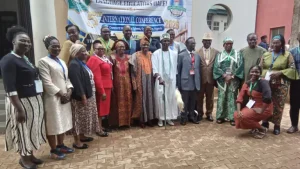

The House of Representatives and leaders of Host Communities of Nigeria Producing Oil and Gas, HOSTCOM, have moved to amend the Petroleum Industry Act, PIA, seeking an increase in the oil community fund from the current three per cent allocation to six per cent for oil-producing communities across the Niger Delta. The proposal was presented during a stakeholders’ engagement where community leaders argued that the present allocation remains inadequate considering the environmental and economic burden faced by host communities.
The oil community fund was created under the Petroleum Industry Act signed into law in 2021 to provide development financing for oil-producing communities through Host Community Development Trusts. Under the existing law, oil and gas companies are required to contribute three per cent of their actual operating expenditure to support projects and programmes within host communities.
However, leaders of oil-producing communities have consistently argued that the allocation is too small compared to the level of environmental degradation, pollution, loss of livelihoods, and infrastructure challenges associated with oil exploration activities in the Niger Delta region. The agitation for a higher percentage dates back to debates preceding the passage of the Petroleum Industry Act, when many Niger Delta stakeholders demanded at least 10 per cent allocation for host communities.
During the engagement, HOSTCOM leaders stated that the current oil community fund framework has not delivered the level of development expected in affected communities.
National President of HOSTCOM, Dr Benjamin Style Tamaranebi, argued that oil-bearing communities continue to suffer from environmental destruction, unemployment, and inadequate infrastructure despite decades of petroleum production. He maintained that increasing the allocation from three per cent to six per cent would provide stronger support for community development projects, youth empowerment programmes, and economic stability in oil-producing areas.
Lawmakers at the House of Representatives also expressed support for reviewing the existing provisions of the Petroleum Industry Act relating to the oil community fund. Chairman of the House Committee on Host Communities reportedly assured stakeholders that the National Assembly would consider the concerns raised by oil-producing communities during legislative deliberations on possible amendments to the law.
Community representatives further argued that oil-producing areas remain central to Nigeria’s economy and deserve improved financial participation in petroleum revenues generated from their lands. The discussions also highlighted concerns over delays in project implementation, management disputes within some Host Community Development Trusts, and complaints about inadequate transparency in fund administration.
The proposed increase in the oil community fund could significantly affect development financing in the Niger Delta if approved by the National Assembly.
Stakeholders believe higher allocations may improve infrastructure delivery, environmental remediation efforts, healthcare access, and economic opportunities within oil-producing communities. The proposal also reflects broader debates surrounding resource control, community inclusion, and equitable distribution of benefits from Nigeria’s petroleum sector.