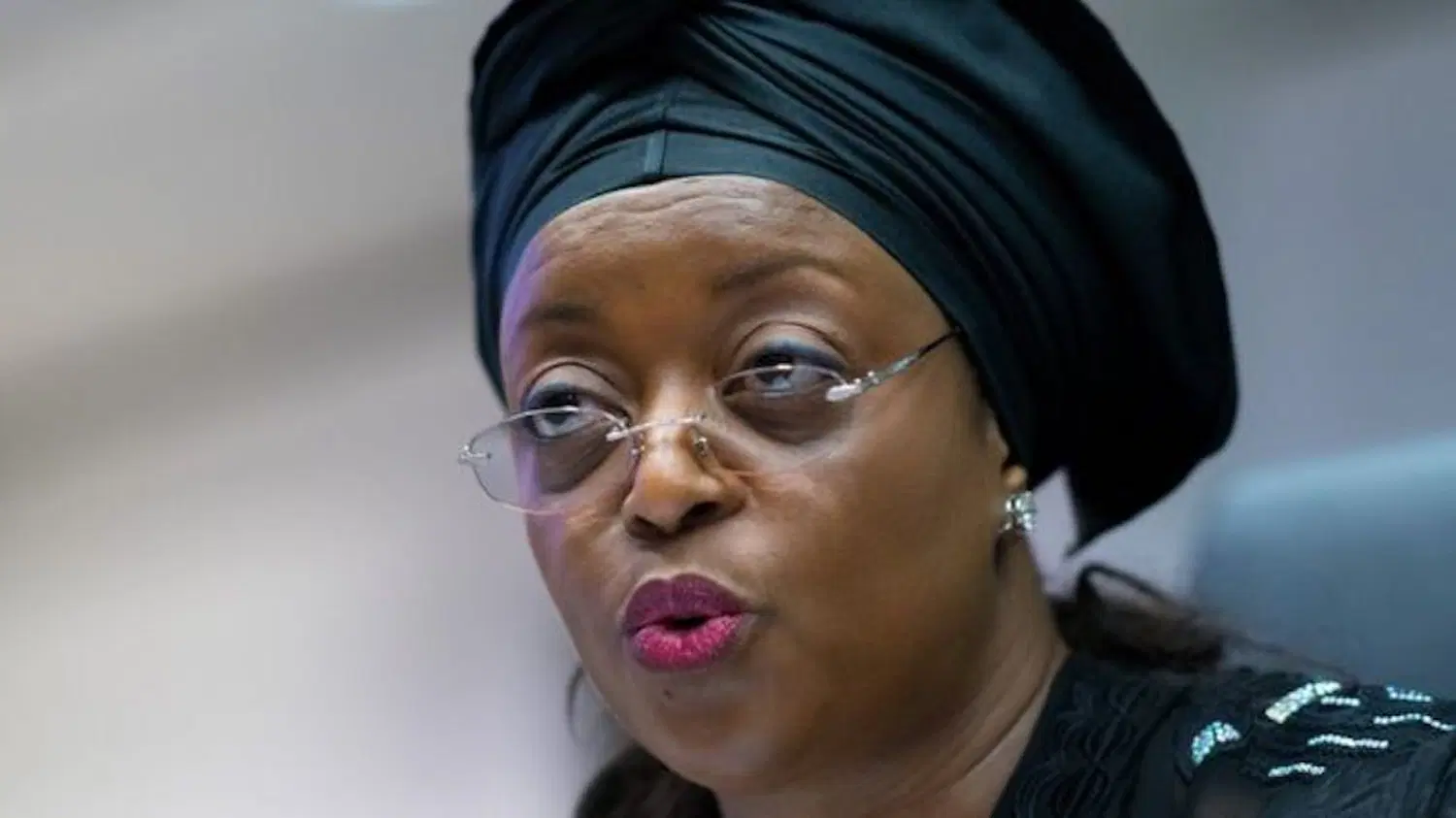
Lawyers raise fair trial concern in Diezani UK trial as defence counsel challenges the integrity of evidence and investigative procedures at Southwark Crown Court in London. The case involves former Nigerian Petroleum Minister Diezani Alison-Madueke and two co-defendants facing bribery-related allegations. The court proceedings have raised questions over documentation handling, disclosure completeness, and prosecution conduct.
The case involving Diezani Alison-Madueke is part of long-running corruption-related proceedings linked to Nigeria’s oil and gas sector. She is accused alongside Olatimbo Ayinde and Doye Agama of receiving or facilitating improper financial benefits between 2010 and 2015.
All defendants have pleaded not guilty to the charges before the Southwark Crown Court.
The fair trial concern raised by defence counsel centres on how investigative authorities handled evidence collected during earlier international searches and financial probes connected to the case. The prosecution maintains that the allegations relate to payments and benefits allegedly routed through intermediaries linked to oil industry transactions.
During court proceedings, defence counsel Jonathan Laidlaw, KC, raised the fair trial concern regarding the completeness and reliability of prosecution disclosures. He questioned whether key documents linked to searches conducted in 2015 in Abuja were properly preserved and presented. The defence further argued that certain ministerial and financial records expected to support alternative explanations were not available during disclosure.
Prosecutor Alexandra Healy, KC, stated in court that oil sector actors allegedly provided improper benefits in exchange for access to favourable business arrangements. She referenced a £1 million payment allegedly associated with businessman Benedict Peters, which was said to have been routed through intermediary structures.
The prosecution maintained that no evidence had been provided by the defence to substantiate claims of legitimate reimbursement or lawful financial transfers. The fair trial concern also extended to arguments over whether all relevant parties involved in the alleged transactions were equally investigated or charged.
The ongoing fair trial concern highlights broader issues in cross-border financial crime prosecutions, particularly the handling of evidence in complex international corruption cases involving politically exposed persons.
It also raises questions about coordination between investigative agencies and the standards required for disclosure in international trials involving multiple jurisdictions. The outcome of the case could influence future legal cooperation frameworks between the United Kingdom and Nigeria, particularly in asset recovery and anti-corruption enforcement processes.