Thirty-three years after the historic June 12 election, questions continue to surround Nigeria’s ability to conduct a presidential poll widely accepted as free, fair, transparent, and credible. Conducted on June 12, 1993, the election remains a reference point in the country’s democratic history despite its eventual annulment by the military government.
The June 12 election was conducted under the supervision of the then National Electoral Commission (NEC), led by the late Professor Humphrey Nwosu. Voting was carried out using the Option A4 system, which required voters to queue openly behind the candidate or political party of their choice.
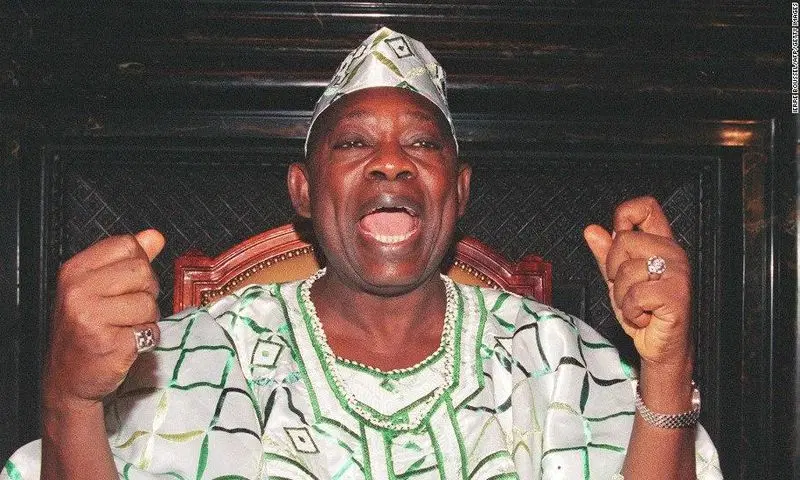
The process involved physical counting of voters at polling units, making results immediately visible to party agents, observers, and voters. The election featured two candidates: Chief Moshood Kashimawo Olawale (MKO) Abiola of the Social Democratic Party (SDP) and Bashir Othman Tofa of the National Republican Convention (NRC).
Of the more than 14 million Nigerians who participated, Abiola secured over eight million votes, while Tofa received about six million votes. However, before the final declaration of results, the military administration of General Ibrahim Babangida annulled the election, triggering a prolonged political crisis that lasted until Nigeria’s return to civilian rule in 1999.
The credibility of the June 12 election continues to distinguish it from subsequent electoral contests. Analysts and observers frequently cite the absence of ballot box snatching, large-scale result manipulation, and widespread electoral violence as key factors behind its enduring reputation.
Since Nigeria’s return to democratic rule in 1999, elections have often been followed by extensive litigation. Presidential elections in 1999, 2003, 2007, 2011, 2019, and 2023 all faced legal challenges, with courts playing increasingly significant roles in determining electoral outcomes.
According to historical election records, 1,291 election petitions followed the 2007 general elections, while 1,196 petitions were filed after the 2023 polls. The exception was the 2015 presidential election, when then-President Goodluck Jonathan conceded defeat without pursuing legal action. Concerns over electoral credibility have also persisted due to issues such as vote buying, ballot manipulation, technological failures, voter intimidation, and disputes over result transmission.
As Nigeria commemorates Democracy Day, concerns remain over insecurity, voter apathy, and public confidence in the electoral process ahead of future elections, including the 2027 general polls.
Electoral reforms recommended by the Justice Mohammed Uwais Electoral Reform Committee have only been partially implemented, leaving many stakeholders calling for further improvements to strengthen transparency and accountability. Questions also remain over the adoption of electronic voting, diaspora voting, and measures to ensure that votes accurately reflect the will of the electorate.
Three decades after the June 12 election, its legacy continues to shape conversations about democratic governance and electoral reform in Nigeria. While the country has recorded progress in democratic development, many observers believe the transparency and public confidence associated with the 1993 poll remain benchmarks that future elections must strive to achieve.