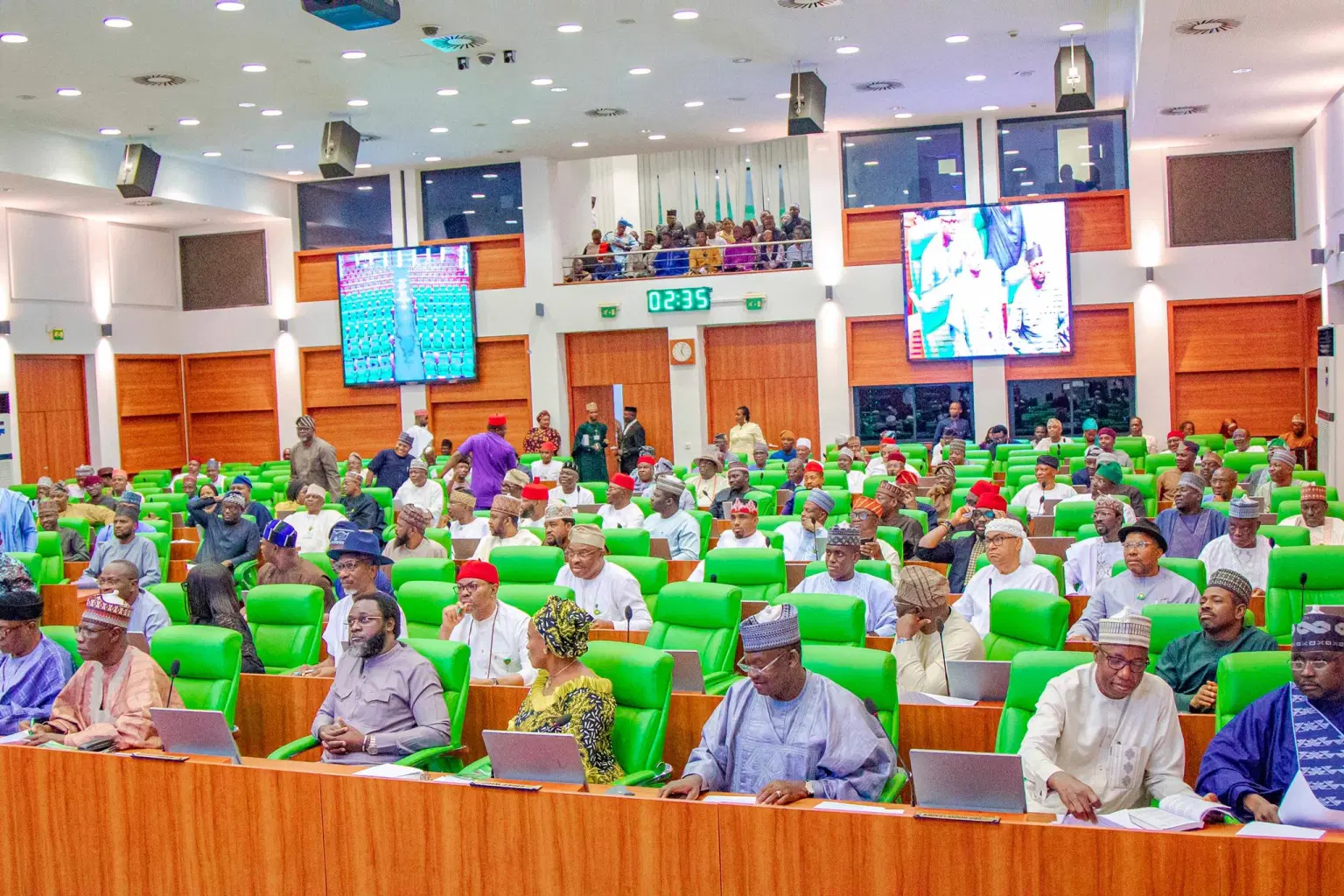
The House of Representatives has commenced clause-by-clause consideration of the State Police Bill, marking another major step toward establishing a constitutional framework for state policing across Nigeria. Lawmakers said they would rely heavily on the Senate-approved version of the executive proposal while making only necessary amendments to fast-track the legislative process.
Speaking during a meeting of the House Committee on Constitution Review, Deputy Speaker Benjamin Kalu, who chairs the committee, said the House was committed to ensuring the prompt consideration of President Bola Tinubu’s executive bill. Kalu recalled that the House had earlier passed its own Constitution Alteration Bill on state police on June 11 before lawmakers proceeded on recess.
However, that decision was reversed on July 14 after President Tinubu transmitted an executive version of the legislation to the National Assembly for consideration. According to him, the President, as Commander-in-Chief of the Armed Forces, is well positioned to initiate comprehensive constitutional reforms aimed at addressing Nigeria’s growing security challenges.
Kalu disclosed that the executive bill has already passed first and second readings in the House, while stakeholder consultations conducted during the National Assembly Open Week fulfilled the public hearing requirement. He explained that committee members would use the Senate-approved draft as the working document during deliberations. According to him, the Senate version contains only limited amendments to the proposal earlier considered by the House.
Among the additions are new provisions dealing with interpretation, transitional arrangements, saving clauses and other consequential constitutional amendments designed to facilitate implementation if the legislation becomes law. He added that the committee would examine approximately eight amendments introduced by the Senate and adopt those considered appropriate.
Kalu described the State Police Bill as one of President Tinubu’s key constitutional reform initiatives, noting that the President had consistently advocated a multi-layered policing structure dating back to his tenure as Governor of Lagos State.
He said the current proposal reflects the President’s long-standing conviction that decentralised policing could strengthen Nigeria’s internal security architecture. The Deputy Speaker also stressed that although the executive, legislature and judiciary operate independently, collaboration among the three arms of government remains essential when addressing national priorities such as security.
The committee chairman noted that lawmakers convened outside the House’s regular legislative schedule because of the urgency attached to the constitutional amendment.
He urged members of the Constitution Review Committee to carefully scrutinise every provision to ensure the legislation reflects the expectations of Nigerians while strengthening national security. The ongoing review represents another significant milestone in the constitutional amendment process as the National Assembly moves closer to establishing a legally backed multi-tier policing system aimed at improving security across the federation.