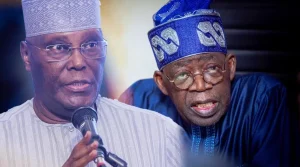
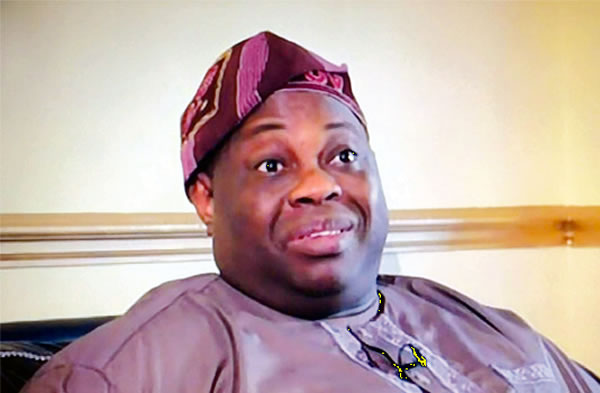
Dele Momodu has claimed that Tinubu forced alliance dynamics within Nigeria’s opposition politics contributed to collaboration between Peter Obi and Rabiu Kwankwaso ahead of the 2027 elections. Speaking on political realignments, Momodu statement reflects how pressure within the political environment is shaping opposition strategy. He further explained that the situation highlights increasing attempts to consolidate opposition figures against the ruling party.
Nigeria’s political landscape has continued to experience realignments ahead of the 2027 general elections. Opposition figures have engaged in coalition talks aimed at building stronger electoral competitiveness against the ruling All Progressives Congress (APC).
Peter Obi, former presidential candidate of the Labour Party, and Rabiu Kwankwaso of the New Nigeria People’s Party have both been linked to discussions around opposition coalition-building under broader political arrangements. These discussions have taken place amid growing debates about whether opposition unity can be sustained in a fragmented political environment.
Dele Momodu, a veteran journalist and political commentator, stated that President Bola Tinubu’s political strategy has indirectly influenced opposition alignment. He argued that pressure within the political environment has led opposition figures to explore collaboration options, including Obi and Kwankwaso.
Momodu’s remarks suggest that the evolving political structure has forced previously independent political actors to consider working together in order to remain competitive. His statement aligns with ongoing discussions about coalition-building within opposition platforms ahead of the 2027 elections.
Reports indicate that opposition stakeholders have been involved in consultations aimed at presenting a more unified front against the ruling party. The comments also come amid broader speculation about the stability of opposition alliances and their ability to sustain unity through the election cycle.
The claim of Tinubu forced alliance highlights the level of strategic pressure shaping Nigeria’s opposition landscape.
It underscores the extent to which political competition is driving coalition negotiations among major political actors. If sustained, such alliances could reshape electoral dynamics, but internal disagreements may also challenge long-term cohesion.