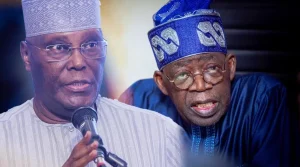
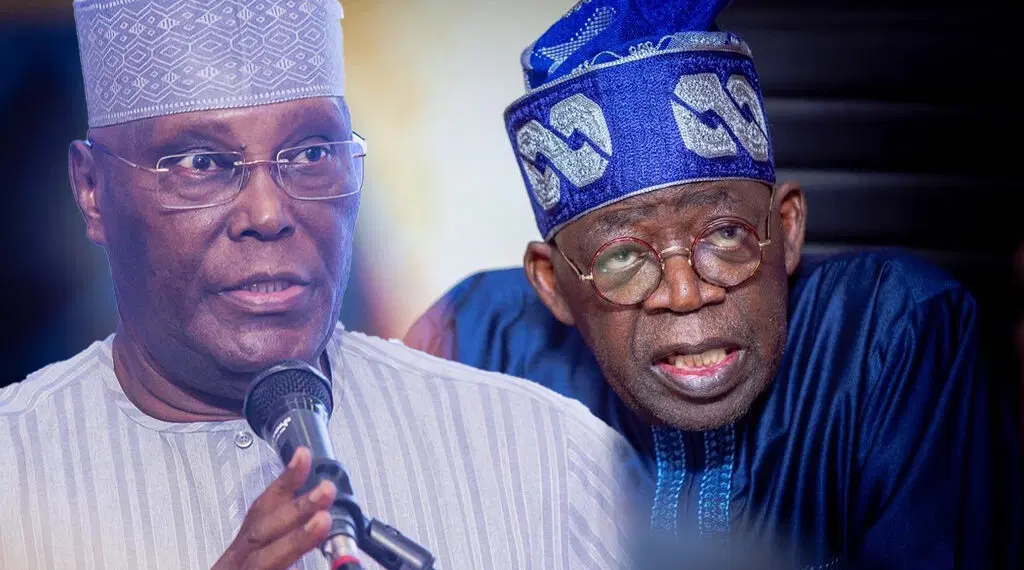
The Presidency has criticised former Vice President Atiku Abubakar over his position on petrol subsidy, accusing the African Democratic Congress (ADC) presidential candidate of repeatedly changing his stance ahead of the 2027 election.
The Presidency also questioned Atiku’s understanding of the petroleum market, following his declaration that he would restore what he described as a “targeted subsidy” if elected president.
Atiku had earlier said the measure would help cushion the impact of rising living costs on Nigerians. His position, however, has generated competing explanations from members of his campaign team.
In a statement issued by the Special Adviser to President Bola Tinubu on Information and Strategy, Bayo Onanuga, the Presidency said Nigerians had received three different explanations within one week about what an Atiku administration would do with petrol subsidy.
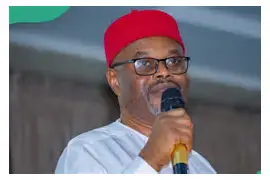
According to the Presidency, Atiku’s spokesperson, Paul Ibe, initially said the former vice president would restore subsidy temporarily before eventually phasing it out.
The statement said another senior aide, Phrank Shaibu, subsequently rejected that explanation as an unauthorised characterisation of Atiku’s position.
Shaibu reportedly argued that Atiku would not establish a fixed date for ending the subsidy, but would maintain it until domestic refining capacity expanded, fuel supply stabilised and market competition could deliver affordable prices.
The Presidency said Atiku later intervened, insisting that his position had not changed and that he would restore a targeted subsidy.
It described the developments as a serious policy contradiction.
The Federal Government questioned why Atiku’s aides had offered different explanations of the proposed policy.
It asked what a targeted subsidy would cost, who would qualify for the benefit, how beneficiaries would be identified and how the programme would be financed.
The Presidency also demanded to know what economic conditions would determine when the proposed intervention would end.
It argued that petrol prices were influenced by several factors beyond government subsidy, including international crude prices, exchange rates, refining expenses, transportation, distribution and other market costs.
The statement further rejected the suggestion that petrol prices alone were responsible for Nigeria’s food inflation.
It pointed to agricultural productivity, insecurity, exchange rates, logistics, storage, flooding, input costs, money supply and supply constraints as other factors affecting food prices.
The Presidency also challenged Atiku’s argument that his proposed subsidy would follow the crude oil barrel.
It noted that petrol represents only about 45 per cent of the products obtained from a refined barrel of crude.
According to the statement, diesel accounts for roughly 25 per cent, while aviation fuel and kerosene make up about nine per cent.
Other portions of the barrel produce materials used in plastics, synthetic rubber, nylon and polyester, as well as asphalt, hydrocarbon gas liquids, lubricants and waxes.
The Presidency therefore questioned whether Atiku’s proposed intervention would extend to those other petroleum products.
It also recalled that diesel was deregulated during the Obasanjo-Atiku administration in 2004, while kerosene and jet fuel were deregulated at later dates.
The Presidency maintained that Nigeria could not afford what it described as another opaque and potentially expensive subsidy regime.
It challenged the former vice president to present a clear, costed and workable petroleum policy rather than what it called policy “somersaults” ahead of the 2027 election.
The Presidency concluded that the economy required coherent policies rather than what it described as political gimmicks and populist promises.