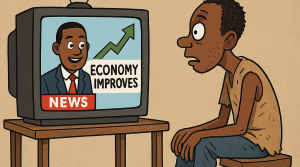
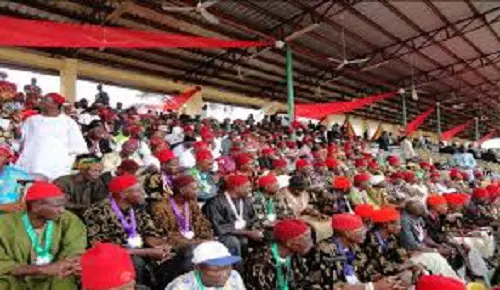
Residents of South‑East Nigeria say 2025 was one of the hardest years they have lived through. Many spoke to Vanguard about daily struggles with high prices, lack of jobs and poor public services. They said they survived mostly through faith, hard work and personal resolve rather than support from government.
A senior church leader said many people depended on trust in God and hard work to endure the year’s difficulties. Rt. Rev. Dr. Owen Nwokolo, Bishop of the Diocese on the Niger in Onitsha, said most small traders and artisans kept going because they refused to give up, even when government help was absent. He called on leaders to create opportunities and improve lives in 2026.
Many residents in Owerri, Imo State, said they saw almost no good in 2025. One local said the year was filled with suffering. Power supply was nearly gone, food prices were high and jobs were scarce. He said many people struggled to keep food in the home and maintain basic needs.
A widow and mother of four described her experience as painful. She said many families could not afford regular meals, and health and education services were poor.
She asked the government to explain why petrol subsidy savings did not lead to better services or lower costs for ordinary people.
Students from the Federal University of Technology, Owerri and the Federal Polytechnic, Nekede, said poor road conditions added to their hardship. They said the Naze‑Nekede and Ihiagwa‑Obinze roads became dangerous during rain and made travel and study harder.
People in Abakaliki, Ebonyi State, also spoke of hardship. A petty trader said high food prices made feeding her family difficult. A mechanic said business was slow because many car owners could not afford repairs. Another resident said his salary could not cover family expenses.
Residents called on President Bola Tinubu to reduce the prices of food, fuel and cooking gas. They said cheaper essentials would help reduce the cost of living and make 2026 easier.
In Abia State, petty traders and farmers said they suffered losses and need soft loans to rebuild and grow their businesses. A poultry farmer said he lost many birds because he could not afford vaccines. Traders said extra funds could help their families survive and thrive.
A trader in Enugu’s Ogbete Market blamed government policies and high taxes for hurting business. He said heavy levies made survival harder and urged leaders to review tax policies to support small businesses.
Another trader from Owerri said he survived by taking each day at a time and trusting God. He said the removal of fuel subsidy made everything more expensive.
Residents across the region said they hope 2026 will bring lower prices, more jobs and better support for families. Many said they want government action that reflects people’s real needs and eases hardship felt in 2025.
The accounts of hardship from multiple states highlight widespread concern over the cost of living, poor infrastructure and limited public support.
Residents’ calls for government action may shape public discussion and demand greater focus on economic relief and development initiatives in 2026.