The Opposition join ticket proposal has triggered widespread reactions across Nigeria’s political landscape after leading opposition figures agreed to support a single presidential candidate for the 2027 elections, a move that has drawn both support and criticism from stakeholders.
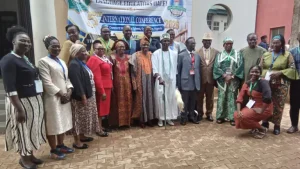
The development followed a high-level opposition meeting in Ibadan, Oyo State, where political leaders from various parties convened to deliberate on coalition strategies ahead of the 2027 general elections.
Nigeria’s opposition space has remained fragmented across multiple parties, including the Peoples Democratic Party (PDP), African Democratic Congress (ADC), Labour Party (LP), and others. This fragmentation has often influenced electoral outcomes, particularly in presidential contests where votes are divided among several candidates.
The proposed Opposition join ticket forms part of ongoing efforts to consolidate opposition strength and present a unified platform capable of competing more effectively in the next election cycle.
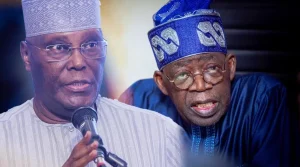
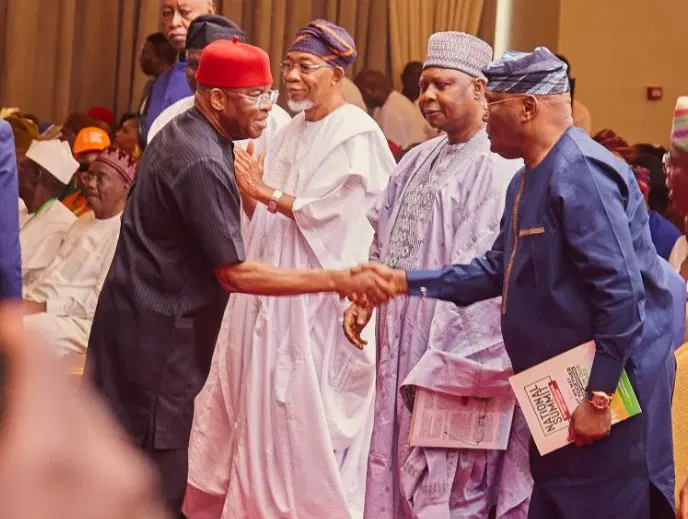
At the Ibadan meeting, opposition leaders resolved to work toward presenting a single presidential candidate, a position outlined in a communiqué issued at the end of the summit. The gathering included prominent political figures such as Atiku Abubakar, Peter Obi, Rotimi Amaechi, Rauf Aregbesola, David Mark, and Tanimu Turaki.
Supporters of the Opposition join ticket described the initiative as a strategic move to strengthen democratic competition by reducing fragmentation among opposition parties. They noted that presenting a unified candidate could improve electoral coordination and voter mobilisation.
However, the proposal has also faced criticism. Minister of the Federal Capital Territory, Nyesom Wike, along with Aviation Minister Festus Keyamo and activist Omoyele Sowore, rejected the arrangement, with some describing it as “dead on arrival.”
The ruling All Progressives Congress (APC) also criticised the development, questioning the cohesion and viability of the opposition alliance.
Further divisions emerged within opposition ranks, as some political parties and factions distanced themselves from the agreement. A faction of the ADC and the Social Democratic Party (SDP) indicated that they were not part of the decision, raising concerns about inclusivity in the coalition process.
Despite these disagreements, some stakeholders maintained that the initiative could strengthen opposition coordination if properly implemented, emphasising the need for continued dialogue among participating parties.
The Opposition join ticket highlights both the opportunities and challenges of coalition politics in Nigeria. A unified candidate could reduce vote splitting and enhance opposition competitiveness in the presidential election.
However, internal disagreements, competing ambitions, and questions around inclusivity may affect the stability and effectiveness of the proposed arrangement. The development also underscores the influence of political negotiations in shaping alliances and electoral strategies.