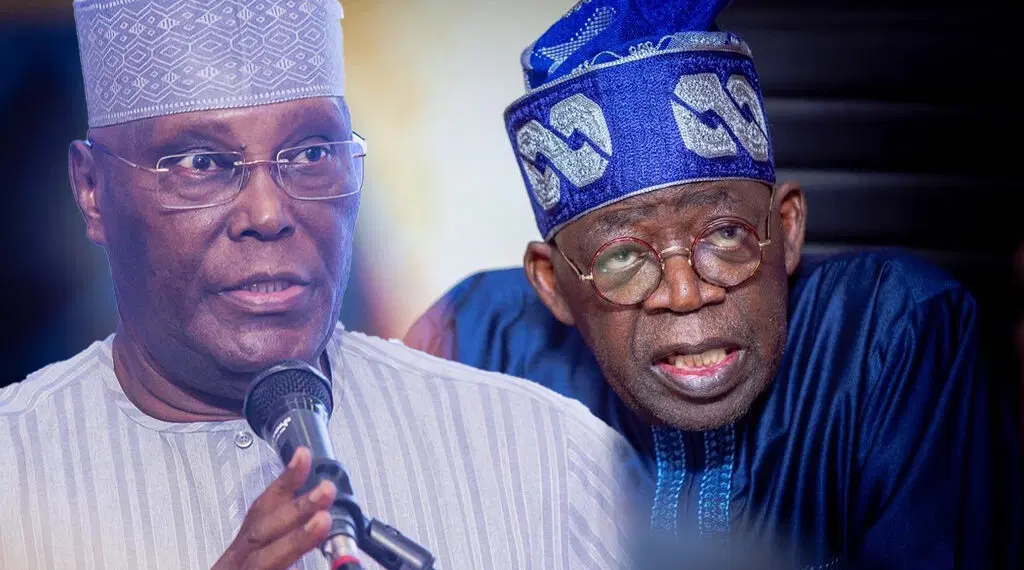
The fresh $516m loan request by President Bola Tinubu has drawn criticism from former Vice President Atiku Abubakar, who warned against what he described as reckless borrowing, raising concerns over Nigeria’s rising debt profile and the need for transparency in financing major infrastructure projects.
The Federal Government recently approached the National Assembly seeking approval for a new external loan valued at $516 million. The facility is part of Nigeria’s broader borrowing plan and is intended to support infrastructure development, particularly the proposed Sokoto–Badagry Superhighway project.
The highway is designed to link the North-West and South-West regions, enhancing connectivity, trade, and economic integration. According to official communication to lawmakers, the project spans approximately 1,000 kilometres and is expected to pass through multiple states, including Sokoto, Kebbi, Niger, Kwara, Oyo, Ogun, and Lagos. The request comes amid ongoing national debates about public debt sustainability, fiscal discipline, and the balance between infrastructure expansion and responsible borrowing.
President Tinubu, in a letter read during Senate plenary, sought approval for the fresh $516m loan, explaining that the facility would be secured through Deutsche Bank AG with support from the Islamic Corporation for the Insurance of Investment and Export Credit.
The Federal Government also indicated that it would provide counterpart funding amounting to N265,542,689,569 to cover land acquisition, compensation, and related infrastructure costs for the project.
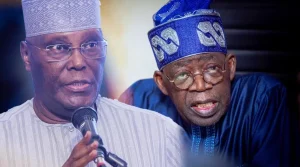
Reacting to the proposal, Atiku Abubakar criticised the move in a statement issued by his Senior Special Assistant on Public Communication, Phrank Shaibu. He cautioned against borrowing without clear safeguards, stating that “Nigeria must not borrow blindly in the name of development.”
Atiku acknowledged the importance of infrastructure projects that connect regions but stressed that financing decisions must be guided by transparency and accountability. He stated that borrowing “without transparent terms, clear cost-benefit analysis, and a credible repayment framework” raises concerns about fiscal prudence.
He further argued that development efforts should not translate into long-term debt burdens, warning that such borrowing patterns could create financial obligations for future generations. The former vice president also called on lawmakers to scrutinise the loan request thoroughly to ensure that it aligns with national economic priorities and sustainability goals.
The fresh $516m loan debate highlights broader concerns about Nigeria’s fiscal direction, particularly regarding external borrowing and debt management.
While infrastructure investment is widely recognised as essential for economic growth, the discussion underscores the need for balancing development objectives with debt sustainability. Analysts note that transparent financing structures and effective project execution are critical to ensuring that borrowed funds deliver measurable economic benefits. The issue also reinforces the role of the National Assembly in reviewing borrowing plans and ensuring compliance with fiscal responsibility frameworks.