The 2027 opposition coalition has taken a decisive step toward electoral alignment after leaders of multiple political parties agreed to field a single presidential candidate for the 2027 general elections, a resolution reached at a national summit in Ibadan and formally announced by Peoples Democratic Party chieftain, Tanimu Turaki.
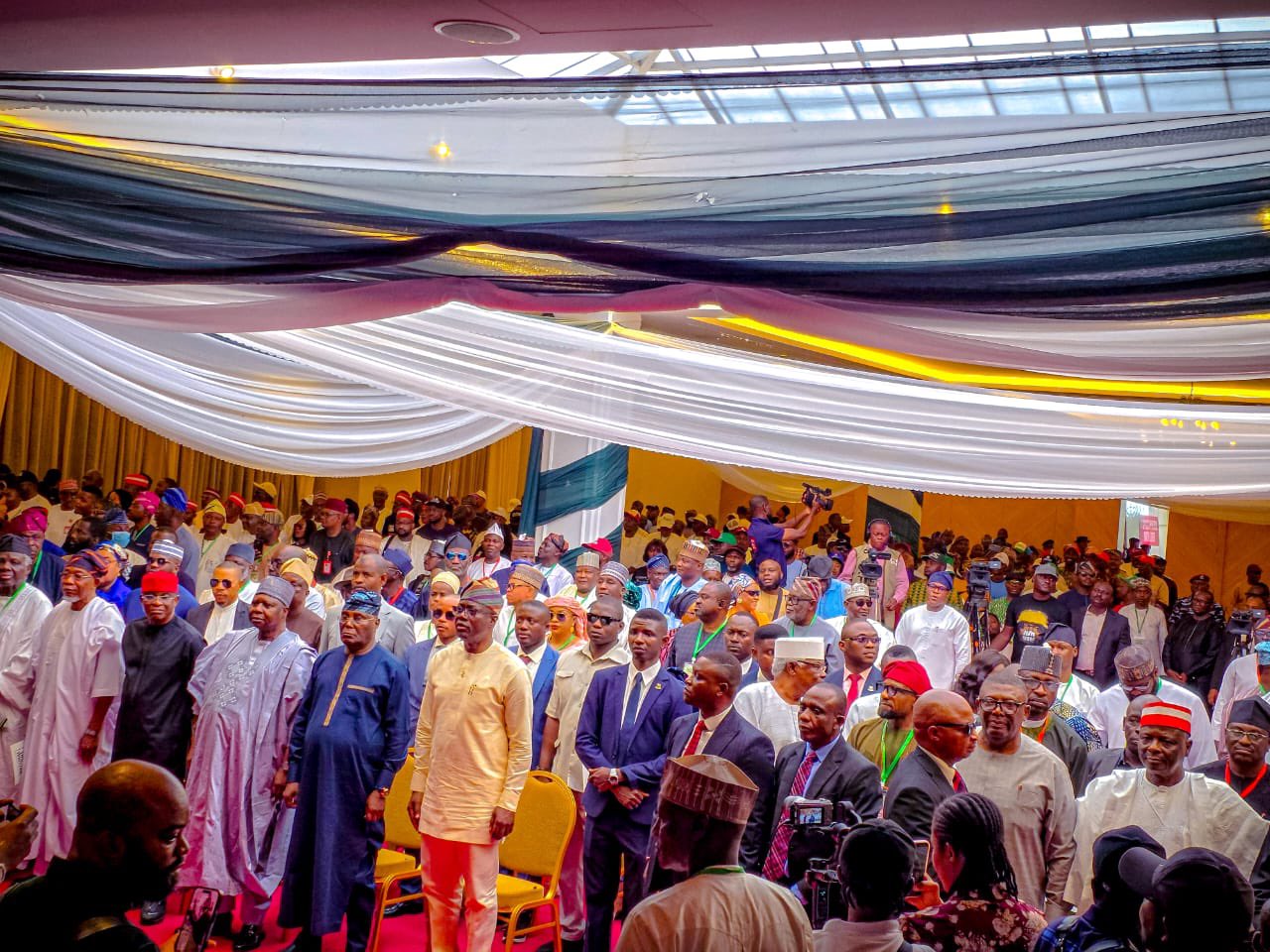
The agreement emerged from a national summit of opposition political parties held in Ibadan, Oyo State, where party leaders, former officeholders, and stakeholders convened to deliberate on electoral strategy and democratic governance ahead of 2027.
Nigeria’s opposition landscape has remained fragmented across several parties, including the Peoples Democratic Party (PDP), African Democratic Congress (ADC), Labour Party (LP), and New Nigeria People’s Party (NNPP). This fragmentation has historically influenced electoral outcomes, particularly in presidential contests where votes are distributed across multiple candidates.
The Ibadan meeting reflects ongoing coalition-building efforts aimed at consolidating political strength and presenting a unified front against the ruling All Progressives Congress (APC) in the next election cycle.
The decision to form a 2027 opposition coalition was contained in a communiqué issued at the end of the summit, widely referred to as the “Ibadan Declaration.” The resolution stated that participating parties would work collectively to present one consensus presidential candidate.
Turaki, who read the communiqué on behalf of party leaders, said the agreement was necessary to strengthen democratic competition and provide a unified alternative platform. He stated that parties would “work towards fielding one presidential candidate… agreed and supported by all participating opposition parties.”
The summit drew participation from major opposition figures, including former Vice President Atiku Abubakar, Peter Obi, Rabiu Kwankwaso, and Rotimi Amaechi, alongside party executives and stakeholders.
In addition to the single-candidate resolution, the communiqué addressed broader electoral concerns. Opposition parties called on the National Assembly to amend provisions of the Electoral Act 2026, which they said could affect the credibility of the 2027 elections.
The coalition also raised concerns about the leadership of the Independent National Electoral Commission (INEC), urging institutional reforms to ensure neutrality and transparency in the electoral process. Furthermore, participants emphasised the need to preserve Nigeria’s multi-party system, warning against developments they described as threats to political pluralism.
The 2027 opposition coalition represents a strategic shift toward alliance politics in Nigeria. By agreeing to field a single candidate, opposition parties aim to reduce vote fragmentation and strengthen electoral competitiveness.
However, the process of selecting a consensus candidate is expected to involve complex negotiations among political leaders, aspirants, and party structures. Issues such as zoning, regional balance, and party influence are likely to shape the eventual outcome. The coalition may also influence campaign dynamics, policy alignment, and voter mobilisation as parties coordinate messaging and electoral strategies ahead of the polls.