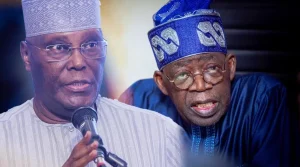
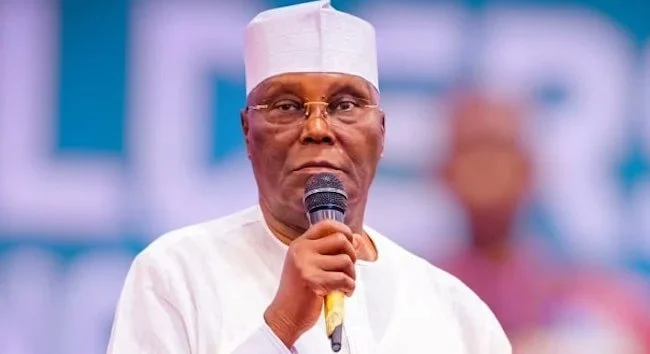
The presidential candidate of the African Democratic Congress (ADC), Atiku Abubakar, has dismissed allegations by former President Olusegun Obasanjo that he attempted to bribe the late former Speaker of the House of Representatives, Ghali Umar Na’Abba, to facilitate his impeachment. Atiku described the claims as politically motivated, alleging they were intended to influence public opinion ahead of the 2027 general elections.
In a statement issued by his Senior Special Assistant on Public Communication, Phrank Shaibu, the former vice president argued that the renewed allegations were aimed at damaging his reputation while benefiting Obasanjo’s preferred presidential candidate. According to Atiku, the timing of the allegations suggests an attempt to shape the political landscape ahead of the 2027 elections. He maintained that Nigerians would not be distracted by what he described as recycled accusations lacking verifiable evidence.
Addressing the former president directly, Atiku urged Obasanjo to openly state his political preference instead of relying on allegations that could no longer be independently verified.
He argued that raising the issue after the death of former Speaker Ghali Umar Na’Abba denied Nigerians the opportunity to hear the late lawmaker’s account of the events. Atiku further questioned why no legal or official action was taken at the time if there had been credible evidence supporting the bribery allegation. According to him, the absence of judicial or investigative action weakened the credibility of the claim.
The ADC candidate also linked the latest accusations to his opposition to Obasanjo’s alleged third-term agenda while serving as vice president. He said his decision to defend constitutional democracy and challenge actions he considered unlawful through the courts contributed to the strained relationship between both political figures. According to Atiku, those legal battles remain significant milestones in Nigeria’s democratic history.
Despite the renewed exchange, Atiku said he would not be distracted by historical political disputes while Nigerians continue to grapple with economic hardship, insecurity, unemployment and rising poverty.
He reiterated that his priority remains presenting policy alternatives, defending democratic values, promoting accountability and working with other stakeholders to provide effective leadership for the country. The Atiku Obasanjo allegation adds another layer to the growing political exchanges ahead of the 2027 general elections as political actors continue to position themselves for the next presidential contest.