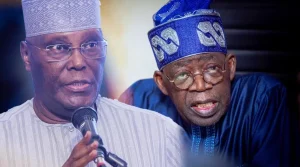
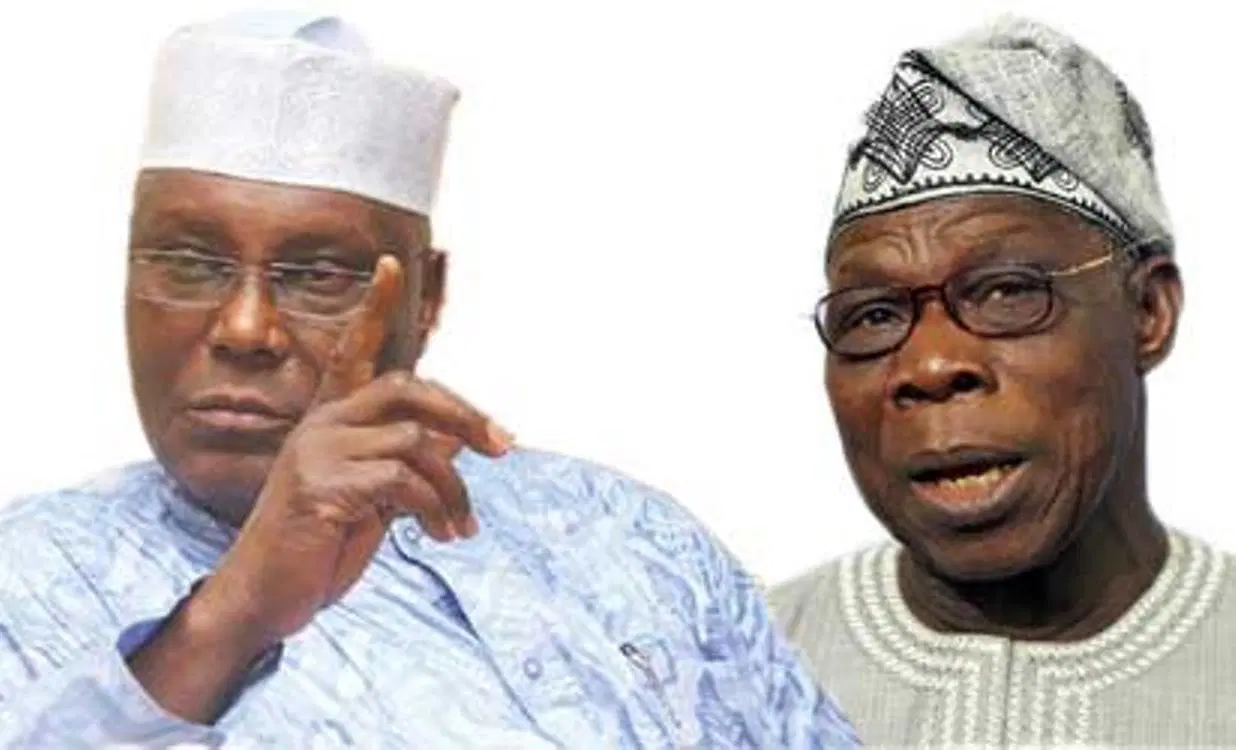
The Atiku Obasanjo feud has resurfaced after former Vice President and African Democratic Congress (ADC) presidential candidate, Atiku Abubakar, accused former President Olusegun Obasanjo of harbouring lingering resentment over the collapse of his alleged third-term agenda.
In a statement issued by his Senior Special Assistant on Public Communication, Phrank Shaibu, Atiku said he received Obasanjo’s recent comments with sadness rather than anger, describing them as another attempt to rewrite history through personal grievances.
Responding to Obasanjo’s recent remark that making him vice president was his greatest regret, Atiku recounted the support he claimed to have given the former president during some of the most difficult periods of his life. According to Atiku, he stood by Obasanjo while he was imprisoned, supported his family and worked alongside other Nigerians to secure his release.
He further claimed that after Obasanjo regained his freedom, he helped him rebuild his life by providing care and support before joining efforts that eventually led to his emergence as Nigeria’s president. The former vice president said those actions were driven by conviction rather than expectations of future rewards.
Atiku insisted that his opposition to Obasanjo’s alleged third-term ambition remains one of the defining moments of his political career. He said he had no regrets for resisting what he described as attempts to undermine Nigeria’s constitutional democracy.
According to him, if Obasanjo’s continued criticism is linked to his refusal to support the third-term agenda, he considers it “a badge of honour.” Atiku maintained that no individual is greater than the Nigerian Constitution and argued that history had already vindicated those who defended democratic principles during the controversy.
The ADC presidential candidate also referenced recent remarks credited to the Director-General of the World Trade Organization, Dr. Ngozi Okonjo-Iweala. He said her comments recognising the economic management team under which he served raised questions about the timing of Obasanjo’s latest criticism.
According to Atiku, while respected public figures continue to acknowledge the achievements of that administration, Obasanjo appears determined to diminish his contributions. He said Nigerians would judge whether the timing of the criticism was merely coincidental.
Despite the disagreement, Atiku said he did not regret helping Obasanjo during difficult periods of his life. He described acts of kindness as matters of conscience rather than transactions that require repayment.
However, he warned against what he called attempts to replace gratitude with historical revisionism. The former vice president stressed that helping another person should never become a source of regret, regardless of later political disagreements.
Atiku expressed disappointment that political attention was being directed toward old disputes at a time when Nigeria faces economic hardship, unemployment and insecurity.
He argued that the 2027 general election should focus on solutions to the country’s pressing challenges rather than reopening historical political conflicts. While noting that he had remained silent for years out of respect for Obasanjo’s former office, Atiku said repeated distortions of history could no longer go unanswered.
He maintained that although the former president was entitled to his personal opinions, no one could alter historical facts. The renewed Atiku Obasanjo feud comes as political alignments ahead of the 2027 general election continue to intensify, with both leaders once again exchanging public criticism over events that shaped Nigeria’s democratic history.