The Nigeria Livestock sector has been identified as a major driver of future economic growth, with the Federal Government projecting that targeted reforms and investment could expand its value to about $74 billion, according to the Minister of Livestock Development, Idi Mukhtar Maiha.
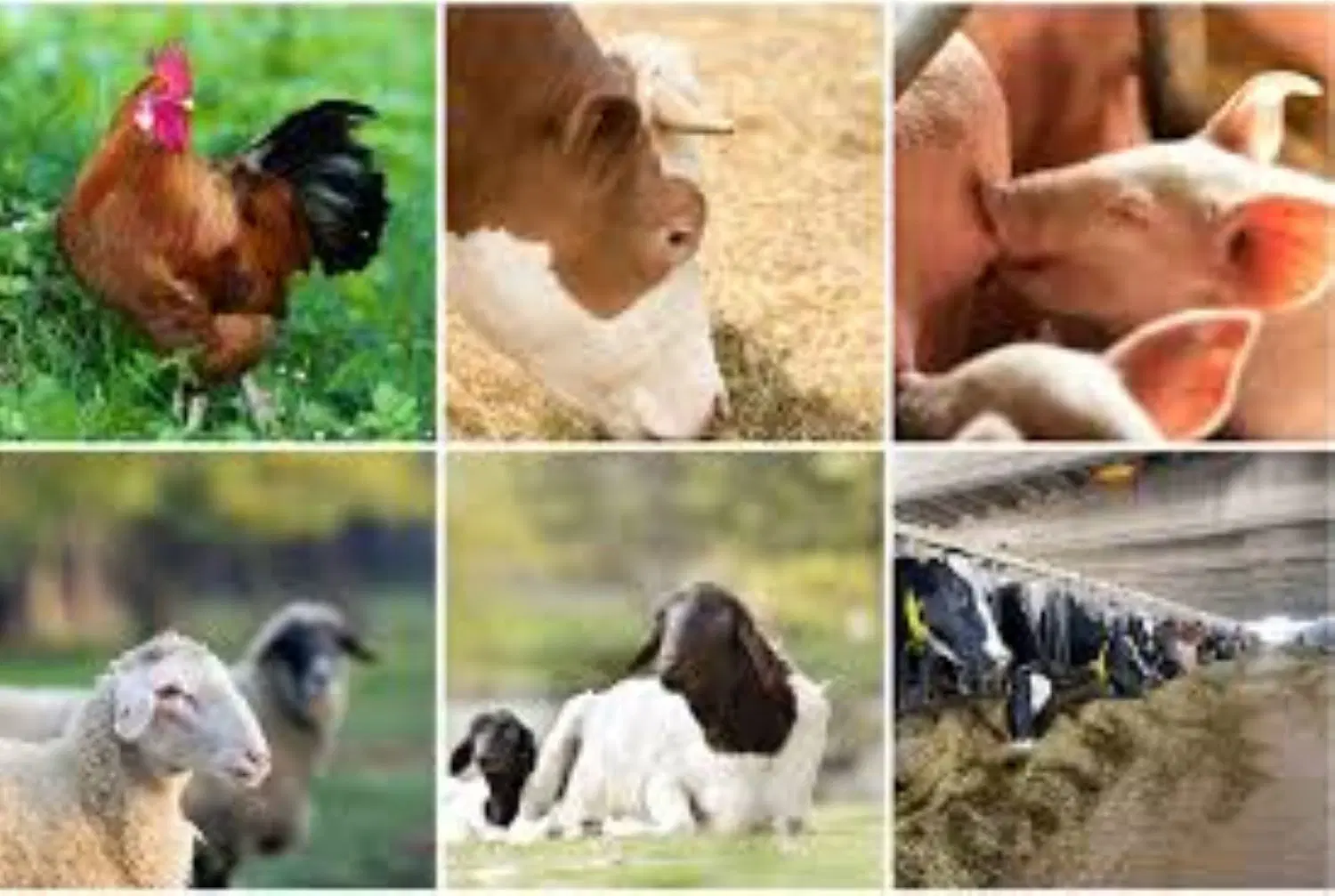
The livestock industry in Nigeria plays a central role in agriculture, food supply, and rural livelihoods. It includes cattle, poultry, sheep, and goat production, and supports millions of households across the country.
Despite its scale, the sector has long faced structural challenges such as low productivity, informal production systems, inadequate feed supply chains, and recurring conflicts in grazing areas. These issues have limited its contribution to national economic output relative to its potential.
To address these constraints, the Federal Government established a dedicated Ministry of Livestock Development to coordinate reforms and improve efficiency across the value chain.
The Nigeria Livestock development strategy is anchored on a national plan aimed at increasing sector value from an estimated $32 billion to $74 billion through structured reforms and investment.
Minister Idi Mukhtar Maiha explained that the transformation will depend on improving productivity per animal, modernising production systems, and strengthening value chains from production to processing and distribution.
Key areas of focus include enhancing animal genetics, improving veterinary services, expanding access to feed and fodder, and increasing milk and meat output per livestock unit. These measures are intended to close existing production gaps in the sector.
The reform agenda also prioritises the transition from traditional grazing methods to more structured ranching systems. This approach is expected to improve efficiency, reduce losses, and support more predictable livestock production outcomes.
In addition, the government plans to strengthen financing mechanisms for livestock farmers and attract private sector participation to scale up production and processing capacity within the industry.
Stakeholder collaboration between federal and state governments, development partners, and private investors has also been identified as a critical component of the implementation framework for the Nigeria Livestock sector reforms.
The transformation of the Nigeria Livestock sector could significantly impact food security, employment, and agricultural output. Increased productivity is expected to reduce dependence on imported dairy and meat products while strengthening local supply chains.
The sector’s expansion would also contribute to rural development by creating jobs across breeding, feed production, processing, and distribution networks. However, achieving the projected growth will require sustained investment, policy consistency, and effective coordination across multiple levels of government.