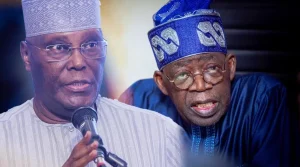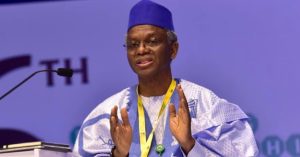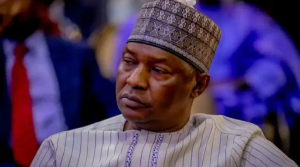
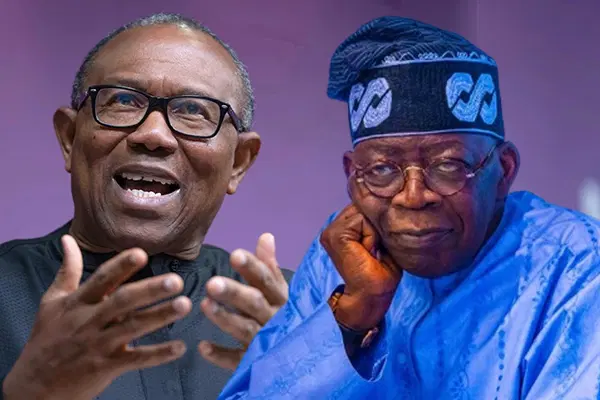
The Presidency has responded strongly to former Labour Party presidential candidate Peter Obi’s renewed one term promise, questioning the credibility and consistency of his pledge to serve only four years if elected president in 2027. The reaction follows Obi’s recent public remarks reiterating his commitment to a single-term presidency.
Peter Obi, who contested the 2023 presidential election under the Labour Party, has repeatedly stated that he would serve only one term if elected president. The statement has remained a recurring subject in Nigeria’s political discourse. The latest one term promise came during a media interview where Obi maintained that his focus would be on governance reforms, institutional stability, and economic recovery within a single four-year term.
His statement has continued to generate reactions from political stakeholders across party lines as preparations for the 2027 general elections intensify. The debate over the one term promise has become part of early campaign narratives shaping political messaging ahead of the next election cycle.
According to reports, Presidential Adviser on Information and Strategy, Bayo Onanuga, criticised the one term promise, stating that Nigerians should evaluate such commitments in light of the former governor’s political history. Onanuga argued that Obi’s political trajectory shows inconsistency, referencing his past movement between political parties.
He noted that Obi had previously pledged loyalty to the All Progressives Grand Alliance (APGA) during his tenure as governor of Anambra State before later joining the Peoples Democratic Party (PDP) and subsequently the Labour Party. The Presidency said these political transitions raise questions about the reliability of the one term promise.
Obi, in his interview, insisted that his pledge was rooted in governance priorities and national stability, stating that he would not seek re-election after four years in office. The Presidency, however, maintained that political promises must be assessed against track records and consistency in public service commitments.
The one term promise has since drawn mixed reactions, with supporters describing it as a reform-driven commitment while critics question its feasibility in Nigeria’s political environment. Political observers say the exchange reflects early positioning ahead of the 2027 elections, where credibility and trust are becoming central themes in political communication.
The controversy surrounding the one term promise highlights growing political tensions ahead of the 2027 elections. Analysts say the issue underscores broader questions about trust, accountability, and leadership credibility in Nigerian politics. It also reflects increasing competition among political actors seeking to define public perception ahead of the election cycle.