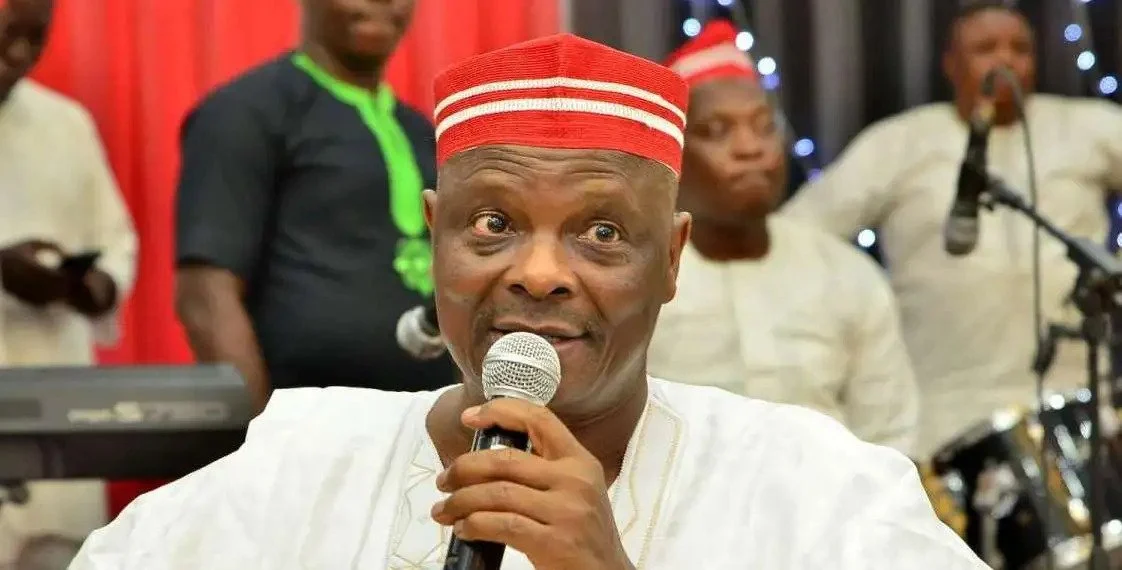
A dispute has emerged over the PRP presidential ticket following conflicting claims involving the Peoples Redemption Party leadership and political figures linked to former Kano State Governor, Rabiu Musa Kwankwaso. The disagreement stems from allegations made by PRP National Chairman, Dr. Hakeem Baba-Ahmed, regarding conditions attached to political discussions ahead of the 2027 general elections.
The Peoples Redemption Party, PRP, has in recent months been engaged in political consultations with various opposition actors as part of broader realignments ahead of the 2027 elections. The party, known for its ideological roots in grassroots politics, has sought to expand its relevance within Nigeria’s evolving opposition space.
The controversy over the PRP presidential ticket arose after Baba-Ahmed publicly discussed negotiations involving the party and unnamed political stakeholders, including figures associated with Kwankwaso’s political movement. These discussions reportedly centred on possible alignments and the conditions under which a presidential candidate could emerge from the party.
According to Vanguard, Baba-Ahmed stated that discussions involving the PRP and some political actors did not progress due to alleged demands related to the PRP presidential ticket.
He claimed that certain individuals sought assurances of securing the party’s presidential ticket without engaging in the party’s internal competitive process. Baba-Ahmed maintained that the PRP insisted on adherence to its constitutional provisions, which require democratic procedures such as primaries or internal consensus.
In response, representatives linked to the Kwankwasiyya Movement rejected the claims, stating that no such conditions or agreements were formally discussed or agreed upon. They further argued that the statements attributed to Baba-Ahmed did not reflect the nature of political engagements held with the party.
The disagreement has now created divergent narratives regarding the circumstances surrounding the PRP presidential ticket discussions. Baba-Ahmed reiterated that the PRP would not compromise its internal rules for any individual or political bloc, stressing that the party remains committed to internal democracy.
Political analysts note that the dispute reflects broader tensions in opposition negotiations as parties attempt to build coalitions ahead of the 2027 elections. The PRP presidential ticket issue has also drawn attention to the challenges smaller parties face when engaging with high-profile political figures seeking electoral platforms.
The disagreement highlights ongoing complexities in coalition-building among opposition parties ahead of the 2027 elections. Analysts say the PRP presidential ticket controversy reflects deeper issues of trust, negotiation structure, and ideological alignment within Nigeria’s opposition landscape.
It also underscores the difficulty of balancing party rules with the expectations of influential political actors seeking platforms for national ambitions. Observers suggest that such disputes may influence future alliance talks and shape the structure of opposition cooperation going forward.