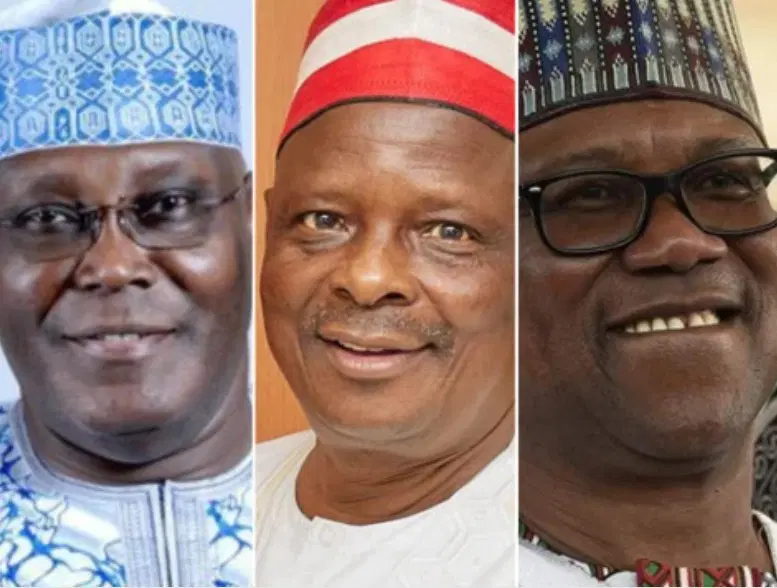
Opposition political leaders are expected to meet in Abuja on August 18 as consultations intensify over possible cooperation ahead of the 2027 general elections. The planned summit follows a series of discussions between the G100, a coalition of concerned Nigerians, and leaders of six opposition political parties.
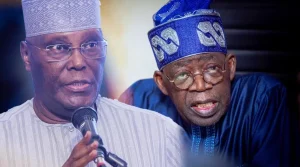
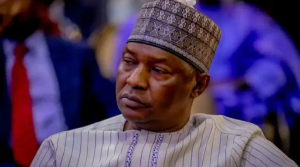
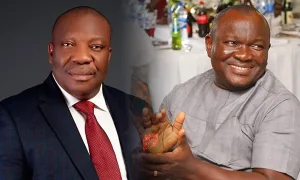
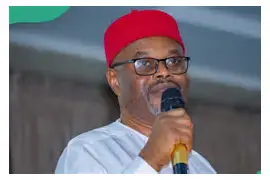
Among those involved in the consultations are former Vice President Atiku Abubakar of the African Democratic Congress, ADC; Peter Obi and Rabiu Kwankwaso of the Nigeria Democratic Congress, NDC; and Oyo State Governor Seyi Makinde of the Allied Peoples Movement, APM.
The G100 disclosed the development in a statement issued on Monday and signed by Salihu Moh. Lukman on behalf of the group. According to the statement, the organisation has also held discussions with leaders of the Peoples Democratic Party, PDP; Peoples Redemption Party, PRP; and Social Democratic Party, SDP. The group said its engagements involved national party chairmen, presidential candidates and running mates.
It described the consultations as frank, constructive and encouraging, while stressing that discussions were deliberately kept away from extensive media attention because of their sensitive nature.
“We have deliberately kept these consultations away from the glare of the media,” the group said.
It explained that the approach was intended to allow party leaders to discuss sensitive issues freely without pressure from premature public commentary.
The consultations are expected to culminate in a Summit of Opposition Parties scheduled for Tuesday, August 18, 2026, in Abuja. The G100 said the summit would provide an organised platform for participating parties to begin discussing possible mechanisms for greater cooperation.
The group, however, said it was not seeking to dictate the outcome of the discussions. It described its role as facilitating dialogue, building confidence and helping create an environment where political parties could consider difficult questions surrounding cooperation and collective action.
“The G100 does not presume to dictate the outcome of these conversations,” the statement said.
According to the organisation, any agreement eventually reached must accommodate the legitimate interests of participating political parties while placing the broader interests of Nigerians above individual or partisan considerations.
The G100 said its initial consultations had shown what it described as a recognition among opposition parties of the need for closer cooperation before the 2027 elections.
According to the group, participants acknowledged that building a stronger opposition arrangement would require compromise and sacrifice from political actors.
It said the discussions had also highlighted the need for political leaders to place national considerations above individual ambitions and narrow party interests. However, the statement did not disclose any agreement on a joint presidential candidate or a specific coalition structure. The August 18 summit is expected to provide an opportunity for the parties to consider those and other outstanding issues.
The consultations followed an open letter issued by the G100 on August 2 to opposition leaders, leaders of thought, civil society organisations and Nigerians. The letter outlined what the group described as the “Doctrine of Necessary Democratic Opposition.”
The central argument, according to the G100, is that democracy is strengthened when voters have a credible alternative capable of effectively competing for their mandate. The organisation argued that fragmentation among opposition groups could make it more difficult for them to present such an alternative.
“The consultations of the past week represent only the beginning,” the group said.
It acknowledged that achieving greater cooperation would require patience, courage and a willingness by political actors to make difficult compromises.
Despite the participation of several prominent opposition figures and parties, the G100 stressed that the process remained at an early stage. There is yet to be a publicly announced agreement on the structure of any proposed coalition, how a common candidate would emerge or how participating parties would share political responsibilities.
The August 18 summit could therefore become an important step in determining whether the ongoing consultations develop into a formal opposition alliance ahead of the 2027 polls. For now, the G100 says it will continue facilitating discussions among the parties in what it describes as an effort to promote greater cooperation and strengthen Nigeria’s democratic process.