
Stakeholders across the Niger Delta have called for stronger monitoring, improved transparency, and greater accountability in the implementation of the Petroleum Industry Act (PIA), particularly regarding the management of Host Community Development Trusts (HCDTs).
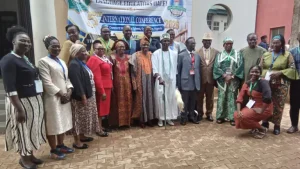
The concerns were raised during a one-day town hall meeting in Port Harcourt themed, “Maximizing the Benefits of Host Community Development Trusts in the Niger Delta,” where participants reviewed the progress and challenges associated with the implementation of the landmark petroleum reform law. The discussions centered on the need to strengthen PIA implementation to ensure that host communities receive the benefits envisioned under the Act.
Speaking at the event, Mrs. Florence Ibok-Abasi, Country Director of the Stakeholder Democracy Network (SDN), acknowledged that the HCDT framework has delivered measurable progress in some host communities. However, she stressed that stronger accountability measures and continuous stakeholder engagement remain necessary to unlock the full benefits of the initiative.
According to her, effective monitoring systems must be put in place to ensure that funds allocated to host communities are properly managed and deployed for projects that directly improve the lives of residents. She noted that while several projects executed under the framework have shown promise, long-term success will depend on transparency and responsible management.
Ibok-Abasi also emphasized that civil society organizations are not seeking to undermine stakeholders but are committed to ensuring effective PIA implementation and responsible governance. She added that the issue has become even more important as Nigeria gradually moves toward reducing its dependence on oil revenues.
Also speaking at the meeting, Chairman of the House of Representatives Committee on Host Communities, Hon. Dumnamene Dekor, expressed dissatisfaction with the pace of implementation across the Niger Delta.
Dekor revealed that approximately 140 Host Community Development Trusts have already received funding, yet many communities have not experienced the expected developmental impact. He attributed the delays to leadership crises, internal disputes, governance challenges, and ongoing legal battles within some host communities.
According to him, these challenges have slowed progress and prevented many communities from fully benefiting from the opportunities created under the Act. The lawmaker warned that the committee would intensify oversight activities beginning in July 2026 as part of efforts to improve PIA implementation across the region.
He stressed that trust administrators would be required to provide detailed accounts of how funds are received, managed, and spent. Dekor further stated that the National Assembly would deploy every legislative tool available to enforce compliance with the provisions of the Petroleum Industry Act.
The event also featured the presentation of a new SDN report titled “Evaluation of the Implementation Status of Host Community Development Trusts in the Niger Delta.”
The study examined the achievements, governance gaps, implementation challenges, and operational shortcomings affecting various trusts across the oil-producing region. As part of efforts to strengthen oversight and accountability, SDN unveiled an Independent HCDT Monitoring, Evaluation, Accountability, Reporting and Learning Platform.
The digital platform is designed to track projects and expenditures in real time, improve transparency, and support evidence-based decision-making. Stakeholders expressed optimism that the new system would strengthen PIA implementation, improve public confidence, and ensure that host communities receive the full benefits intended under the Petroleum Industry Act.