The National Human Rights Commission (NHRC), Christian Association of Nigeria (CAN), Pentecostal Fellowship of Nigeria (PFN), former Kano State Governor Rabiu Kwankwaso and former Aviation Minister Femi Fani-Kayode have criticised Islamic cleric, Sheikh Yahaya Jingir, over remarks they said could deepen religious divisions ahead of the 2027 general elections. The groups and political figures also called for appropriate action against the cleric, with the NHRC urging security agencies to investigate and prosecute him over alleged hate speech and incitement.
Jingir had reportedly spoken in Kano last weekend in support of the Muslim-Muslim presidential ticket of the All Progressives Congress (APC), while arguing that Muslims should dominate Christians because they constitute a larger population. His comments have since triggered reactions from rights groups, Christian organisations and political actors, with several warning against the use of religion as a tool for political mobilisation.
The NHRC, in a statement issued by its Executive Secretary, Tony Ojukwu, SAN, condemned what it described as hateful and inflammatory comments attributed to Jingir. The commission said it had reviewed a viral video in which the cleric allegedly promoted religiously exclusive politics and referred to non-Muslims as “infidels” while encouraging supporters to obtain their permanent voter cards.
According to the commission, such statements could undermine the constitutional principles of equality, non-discrimination and peaceful coexistence. The NHRC urged the Inspector-General of Police, the Department of State Services and other relevant authorities to investigate the matter and, where appropriate, prosecute the cleric.
It warned that allowing influential religious figures to make divisive statements without consequences could encourage similar rhetoric as the 2027 elections approach. The commission also called on religious leaders, traditional rulers and politicians to avoid statements capable of inflaming religious tensions.
CAN also expressed concern over the controversy, stressing that Nigerians have the constitutional right to support candidates and political parties of their choice. The Christian body, however, warned against turning political preferences into a religious contest.
According to CAN, the important question during elections should be the quality of leadership candidates offer, including their competence, character, performance and policy direction. The association said no Nigerian should be made to feel like a stranger in the country because of his or her religious belief.
It further urged religious leaders to recognise the influence they wield and use their platforms to encourage tolerance, peaceful participation and responsible citizenship. CAN maintained that political disagreement itself was not the danger; rather, the danger was transforming political choices into religious confrontation.
The PFN President, Bishop Wale Oke, similarly appealed to politicians and religious leaders to avoid ethnic and religious mobilisation. Oke argued that Nigeria’s religious diversity required a balanced approach to political leadership. He said politicians should not use religion or ethnicity as the basis for determining who should govern the country.
The PFN president also condemned violence committed in the name of religion, insisting that criminal acts such as kidnapping, attacks on schools and killings should not be excused because perpetrators claim a religious motivation. He called on the government to deal decisively with individuals involved in such criminal activities. Oke stressed that religious conversion should be based on persuasion rather than force, arguing that criminality should not be confused with legitimate religious practice.
Kwankwaso, the vice-presidential candidate of the Nigeria Democratic Congress (NDC), also condemned the comments attributed to Jingir. In a statement posted on his verified Facebook page, the former Kano governor said the people of Kano did not support the divisive remarks.
Kwankwaso said political and religious leaders had a responsibility to promote national unity, truth and reconciliation, particularly at a time when the country was preparing for another general election. He argued that the 2027 election should give Nigerians an opportunity to assess the performance of political leaders and reward or reject them based on governance.
Fani-Kayode also joined those criticising the cleric. He said religious matters should not be sacrificed for political interests, warning that inflammatory rhetoric could have consequences for political parties seeking support across Nigeria’s religious divide.
Fani-Kayode also criticised what he described as the reported reaction of some political figures to Jingir’s remarks, arguing that Nigeria’s diversity required restraint from leaders. He maintained that Nigeria is a secular and multi-religious country and rejected attempts to portray it as belonging exclusively to one faith.
According to him, support for any political arrangement should be based on competence, character, capacity and electoral strength rather than religious identity. He also urged Jingir to apologise to Christians and called on the DSS to invite and caution him over statements capable of aggravating religious tensions.
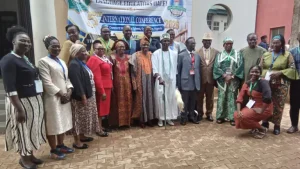
Amid the controversy, the Minister of Information and National Orientation, Mohammed Idris, called on Nigerians to put aside religious, ethnic and political differences. Idris made the appeal in Abuja during an international conference on “Diversity and Social Peace: A Partnership for a Promising Future,” organised by Jama’atu Izalatil Bid’ah Wa Iqamatus Sunnah in partnership with the Muslim World League.
The minister said Nigeria’s diversity should be treated as a strength rather than a source of division. He warned that allowing religious and ethnic differences to interfere with the collective fight against insecurity could worsen the country’s security challenges.
Idris urged Nigerians to work together regardless of their religious or political affiliations, stressing that national unity remained essential to addressing insecurity and other problems confronting the country. The controversy over Jingir’s remarks has consequently added another dimension to the growing political debate ahead of the 2027 elections, with religious leaders, rights advocates and politicians increasingly calling for restraint as political activities intensify.