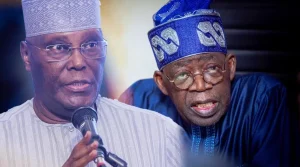
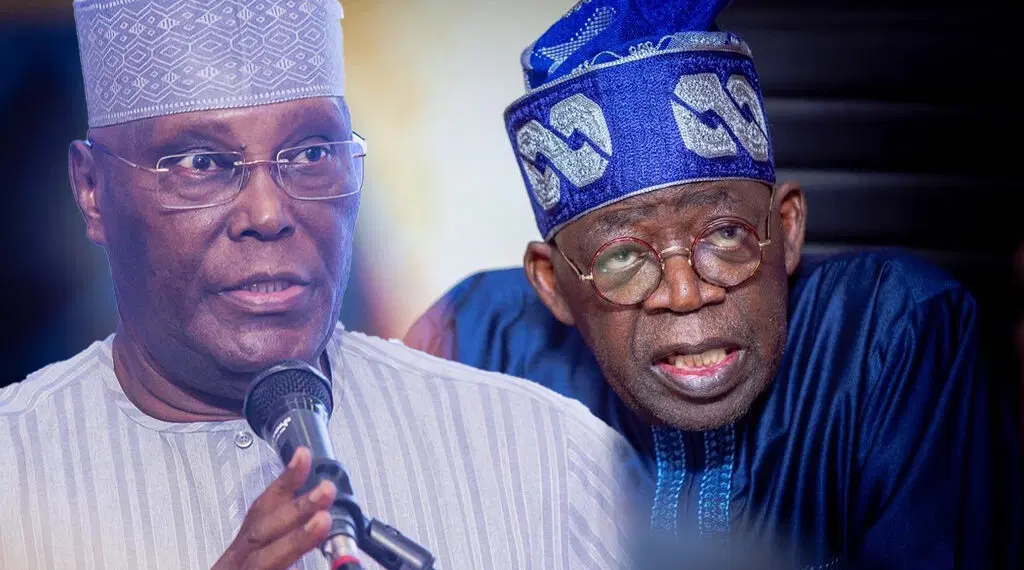
Former Vice President Atiku Abubakar has said Atiku faults Tinubu governance, criticising President Bola Ahmed Tinubu over what he described as limited engagement during recent official visits to Plateau and Lagos states.
The statement in which Atiku faults Tinubu governance was issued through his media aide, Phrank Shaibu, following recent developments surrounding the President’s movements after a deadly attack in Plateau State and subsequent engagements in Lagos.
According to the Atiku camp, these events raised concerns about the level of presidential presence during critical national moments, particularly in relation to security incidents and public infrastructure engagements.
The statement described the President’s visit to Jos as unusually brief. Shaibu stated that the visit came after a violent attack in Plateau State, yet the duration of the President’s stay was considered insufficient given the severity of the situation.
He argued that such a short appearance did not reflect the level of engagement expected from the country’s leadership during a period of heightened security concern.
Further reinforcing the position that Atiku faults Tinubu governance, the statement also focused on the President’s two-day working visit to Lagos State.
According to the Atiku camp, the visit lacked visible participation in key public events. Projects such as the commissioning of the Opebi–Mende–Ojota Link Bridge and the inauguration of a Multi-Agency Complex were reportedly carried out without the President’s direct presence.
The statement noted that these responsibilities were delegated to other government officials, including the Senate President.
In outlining why Atiku faults Tinubu governance, the statement characterised the pattern as reflective of a broader leadership concern.
Shaibu described the approach as one that appears detached from pressing national issues, especially at a time when citizens expect stronger visibility and responsiveness from the presidency.
He added that leadership requires consistent engagement, particularly during periods of crisis and major national developments.
As part of the remarks where Atiku faults Tinubu governance, the former Vice President’s camp called for a reassessment of the President’s approach to governance.
The statement urged the President to demonstrate increased presence and direct involvement in addressing national challenges, stressing that public confidence depends on visible and active leadership.
This adds to ongoing political discourse about leadership style and accountability in Nigeria.
Observers note that public perception of presidential engagement often plays a significant role in shaping trust in government, especially during periods marked by insecurity and economic concerns.