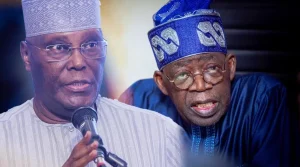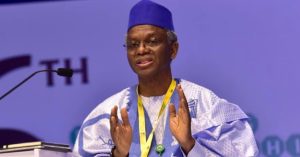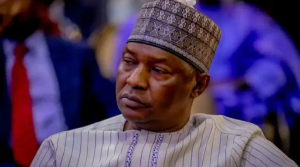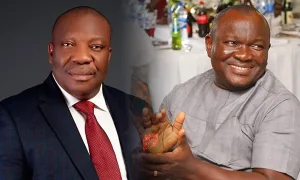
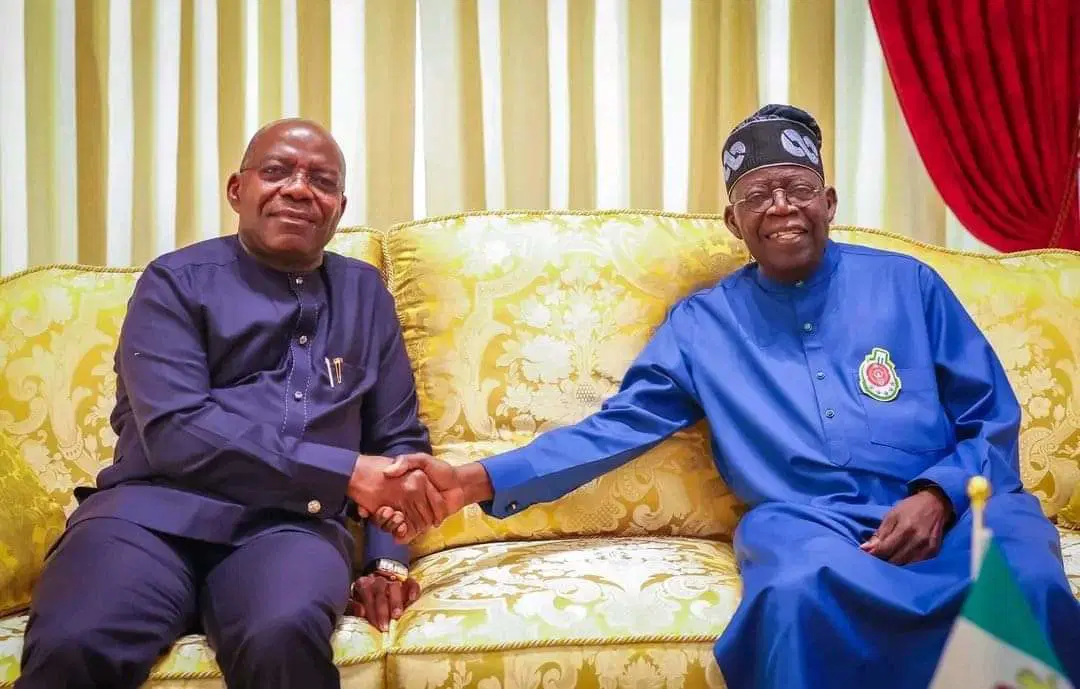
LP backs Tinubu, according to Labour Party South-West Vice Chairman Abayomi Arabambi, who claimed that key figures within the party, including Abia State Governor Alex Otti, have agreed in principle to support President Bola Tinubu ahead of the 2027 general elections.
The Labour Party has faced internal disagreements since the 2023 general elections, with factions expressing differing positions on leadership direction and political alignment.
These internal divisions have shaped ongoing discussions about coalition building and strategic positioning ahead of the next electoral cycle. Political analysts note that such developments are common in post-election periods, especially within opposition parties navigating restructuring and influence.
Recent statements from party stakeholders have further highlighted the evolving dynamics within the party as it seeks to define its role in national politics.
Speaking during an interview on News Central, Abayomi Arabambi stated that LP backs Tinubu based on what he described as a shared understanding among certain party leaders.
He said the position reflects a broader political calculation tied to maintaining power within the South-West geopolitical zone.
According to him, discussions within the party indicate that some leaders, including Alex Otti, are aligned with this position, although he did not provide documentary evidence of a formal agreement.
Arabambi also referenced the party’s national leadership under Julius Abure, suggesting that ongoing engagements have contributed to the emerging position. He stated that LP backs Tinubu as part of efforts to stabilise internal tensions and reposition the party within Nigeria’s political landscape.
However, the claim has not been independently confirmed by other key stakeholders within the party, and differing positions continue to exist across its factions. The claim that LP backs Tinubu highlights ongoing realignments within Nigeria’s opposition space ahead of the 2027 elections.
Such developments may influence party cohesion, voter perception, and broader political alliances, particularly if additional stakeholders confirm or reject the position. It also reflects the fluid nature of political alignments in Nigeria, where strategic partnerships and endorsements often evolve as election cycles approach.