Nigeria has failed the United States’ minimum fiscal transparency requirements for the second consecutive year, with the US Department of State reporting that the country made no significant progress in improving public financial disclosure during 2025.
The finding was contained in the department’s 2026 Fiscal Transparency Report, which assessed 139 governments and the Palestinian Authority. Only 73 met the minimum requirements, while 67 did not. Of those that failed, 14 recorded significant progress and 53, including Nigeria, were classified as making no significant progress.
The assessment was based on information obtained from the US Embassy in Abuja, government agencies, international organisations and civil society groups between January and December 2025.
The report raised concerns about the quality and completeness of Nigeria’s budget information, particularly the disclosure of government revenue and expenditure.
According to the report, Nigeria’s budget documents did not provide a substantially complete picture of government revenues and expenditures or adequately break down spending for executive offices. It also identified discrepancies between enacted budgets and actual revenue and expenditure, raising concerns about the credibility of budget execution.
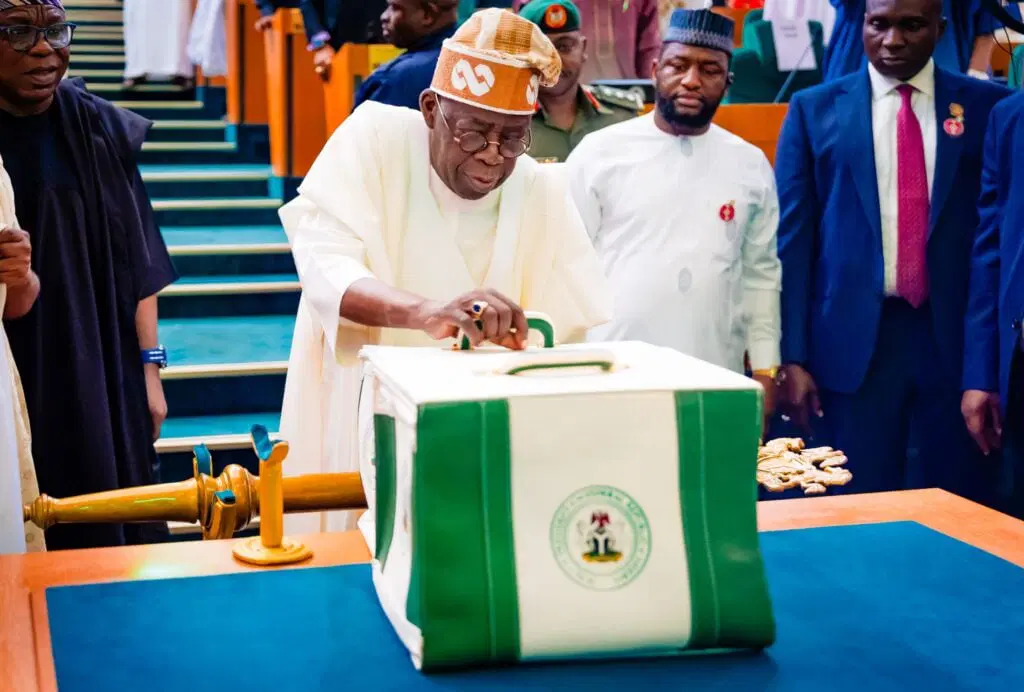
The assessment further noted that while Nigeria published its enacted budget and end-of-year report online, its executive budget proposal was not published within the period considered reasonable under the US criteria. The department also criticised the independence and reporting practices of the Office of the Auditor-General of the Federation, saying the institution did not meet international standards for independence and had not published substantive audit reports as expected.
The report also identified gaps in Nigeria’s public procurement disclosures, saying accessible information on government contracts was not sufficiently available to the public.
On natural resources, the US acknowledged that Nigeria had legal procedures governing the award of contracts and licences. However, it said important information about awarded concessions, including their location, duration, resources involved and companies granted the rights, was not made public after decisions were taken. The report also introduced a requirement for governments to make the terms and conditions of sovereign loans, including liabilities and collateralised assets, publicly accessible.
Despite the criticism, the report acknowledged some areas of progress. It said Nigeria had made its enacted budget and end-of-year report widely accessible, including online, and had published information on debt obligations, including major state-owned enterprise debt.
The department also noted that Nigeria’s sovereign wealth fund had a legal framework covering its funding sources and general approach to withdrawals. However, these measures were not considered sufficient to bring Nigeria above the minimum threshold.
The US recommended that Nigeria publish its executive budget proposal in good time, provide detailed revenue and expenditure breakdowns, explain major deviations between approved and actual spending, strengthen the independence of the Auditor-General’s office, publish audit reports and improve access to procurement information.
Reacting to the report, the Special Adviser to the President on Media and Public Communication, Sunday Dare, said fiscal transparency, accountability and effective public financial management remained priorities of the Federal Government. Dare said the report should be viewed as an external benchmark rather than a complete assessment of Nigeria’s wider fiscal reforms.
He pointed to initiatives including the Open Treasury programme, public budget documentation, debt disclosures and reforms in public procurement. The Presidency said ongoing reforms were aimed at improving fiscal reporting, strengthening audit institutions and expanding public access to financial information.
The Country Director of BudgIT, Vahyala Kwaga, however, agreed with several of the US findings, particularly those concerning budget implementation. Kwaga said while Nigeria’s budget generally presented revenue and expenditure figures, information on actual implementation remained unclear.
He also raised concerns about the independence of the Auditor-General’s office, procurement disclosures and the absence of updated debt sustainability analyses. The US report comes as Nigeria prepares for another budget cycle, placing renewed attention on the transparency of public finances and the ability of citizens to scrutinise how government resources are raised and spent.