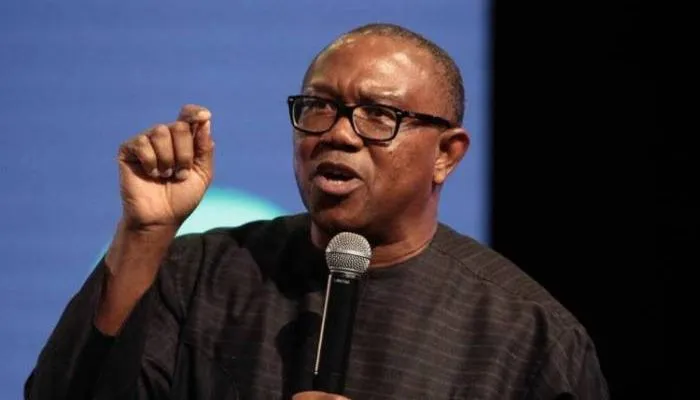
Former presidential candidate Peter Obi has underscored the scale of poverty in Nigeria, noting that an estimated 141 million Nigerians are living in poverty even as political discourse remains centred on leadership contests and power struggles. The comments, made in an interview on Tuesday, January 6, 2026, reflect growing concern among analysts and civil society about the disconnect between governance priorities and socioeconomic realities facing citizens.
Obi said, “141 million Nigerians are poor while politicians jostle for power,” framing his remarks around the urgent need for policies that prioritise economic inclusion, job creation, and improved living standards. He pointed to persistent structural challenges within Nigeria’s economy such as limited access to quality education, rising cost of living, and inadequate social safety nets that have deepened hardship for a significant share of the population.
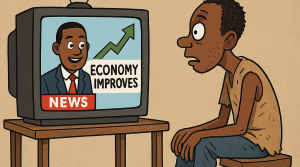
Economic data from the National Bureau of Statistics and independent research groups indicate that Nigeria continues to grapple with high levels of poverty, with broad segments of the population subsisting below internationally recognised living standards. Despite Nigeria’s abundant natural and human resources, the distribution of wealth and economic opportunity remains uneven across regions and demographic groups.
Obi’s critique comes amid preparations for the 2027 general elections, where political parties and aspirants are mobilising support and outlining policy platforms. While political debates have focused on party realignment, leadership contests, and electoral strategy, Obi argued that substantive discussion of poverty reduction, economic reform, and citizen welfare must remain central to national agendas.
Observers note that persistent poverty and unemployment present challenges not only for individual livelihoods but also for social stability and inclusive development. Analysts have suggested that without targeted interventions such as investment in human capital, expansion of social protection programs, and creation of sustainable employment opportunities. Nigeria risks prolonged economic stagnation and widening inequality.
Obi’s comments also highlight the broader governance discourse in Nigeria, where questions of accountability, fiscal management, and institutional effectiveness have become intertwined with political competition. Civil society groups and policy institutions have called for a renewed emphasis on evidence-based policy making that directly addresses the factors driving poverty and economic exclusion.
The dialogue on poverty, governance, and political priorities is likely to gain traction as Nigeria moves closer to the 2027 elections, with citizens and stakeholders increasingly looking for concrete solutions that translate political rhetoric into measurable improvements in living conditions.