The 2027 opposition coalition is gaining renewed attention as political actors intensify efforts to form a united front against the ruling All Progressives Congress (APC), with leaders warning that unity remains critical to influencing the outcome of Nigeria’s next presidential election.
As Nigeria approaches the 2027 general elections, opposition parties are navigating internal divisions, leadership disputes, and structural challenges that have weakened their collective position.
Previous electoral cycles have shown that fragmented opposition platforms struggle to compete effectively against the incumbent party, particularly one with strong national reach and institutional backing.
The African Democratic Congress (ADC) has emerged as a central platform for coalition-building, bringing together key opposition figures and stakeholders.
However, internal disagreements and competing political interests continue to shape discussions around leadership, candidate selection, and strategy.
Stakeholders within the opposition have repeatedly stressed that unity is essential for electoral success. The National Secretary of the Coalition of United Political Parties (CUPP), Chief Peter Ameh, stated that opposition groups must consolidate their efforts to stand a realistic chance in 2027.
“The first step to defeating this regime is for us in opposition to come together,” Ameh said. “We must unite, chose the right candidate and ensure people not only come out to vote but also protect their votes.”
Despite this position, the opposition landscape remains fragmented. Major parties, including the Peoples Democratic Party (PDP), Labour Party (LP), and ADC, continue to face internal crises ranging from leadership disputes to unresolved legal battles.
These issues have slowed preparations for congresses, primaries, and broader mobilisation efforts ahead of the elections.
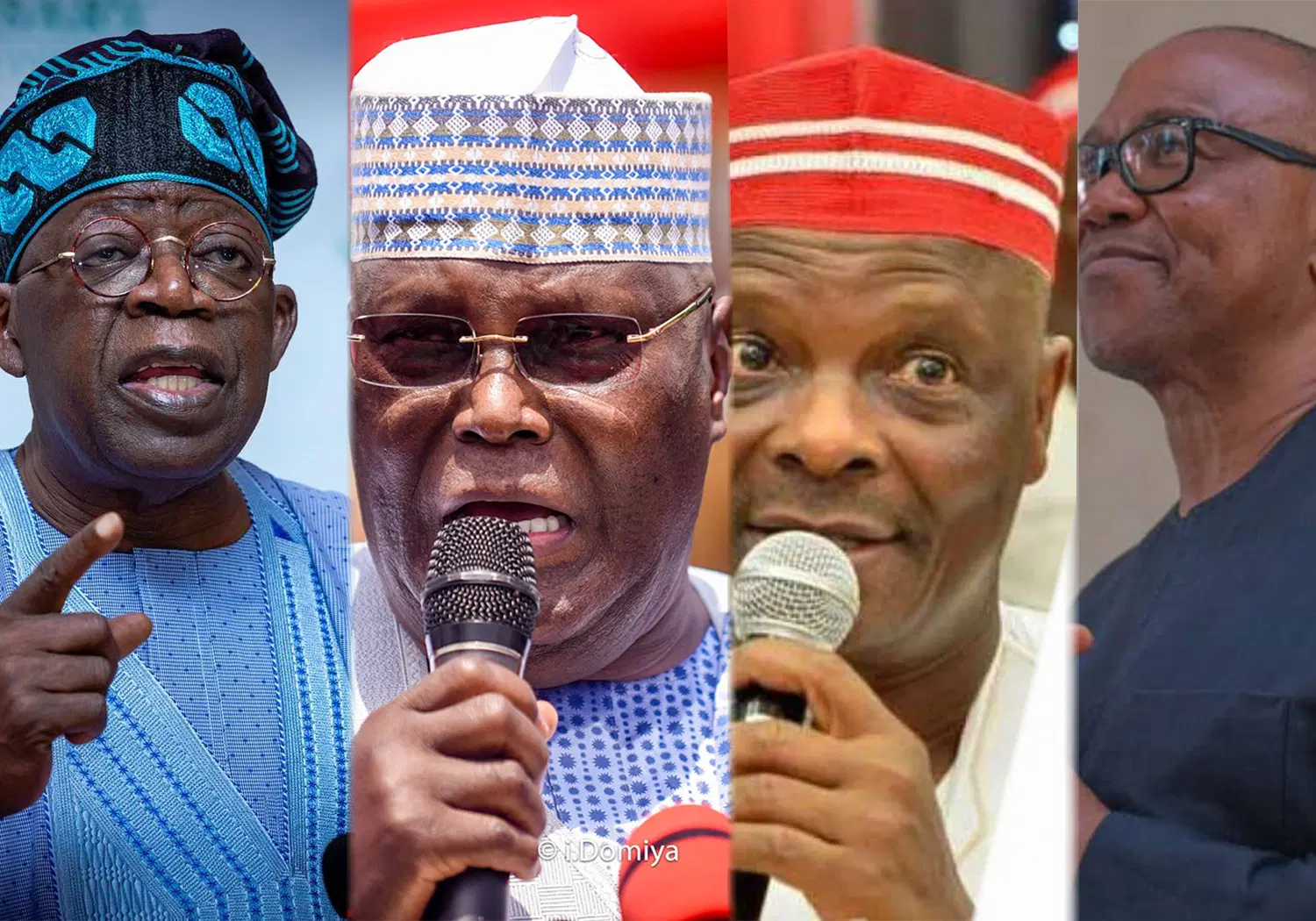
In addition, rivalry among leading political figures has complicated coalition negotiations. Support bases aligned with different aspirants have maintained firm positions on candidacy, making consensus-building more complex.
At the same time, the ruling APC has continued to consolidate its structures and prepare early for the electoral cycle, further widening the organisational gap between it and opposition parties.
The trajectory of the 2027 opposition coalition has significant implications for Nigeria’s democratic process. A unified opposition could strengthen electoral competition, enhance voter engagement, and improve accountability within the political system.
Conversely, continued fragmentation may limit the ability of opposition parties to present a credible alternative, potentially reinforcing the dominance of the ruling party.
Analysts note that coalition success will depend on the ability of political leaders to prioritise collective goals over individual ambitions.
The situation also has broader implications for governance, as a competitive political environment is often linked to stronger policy debates and institutional checks.