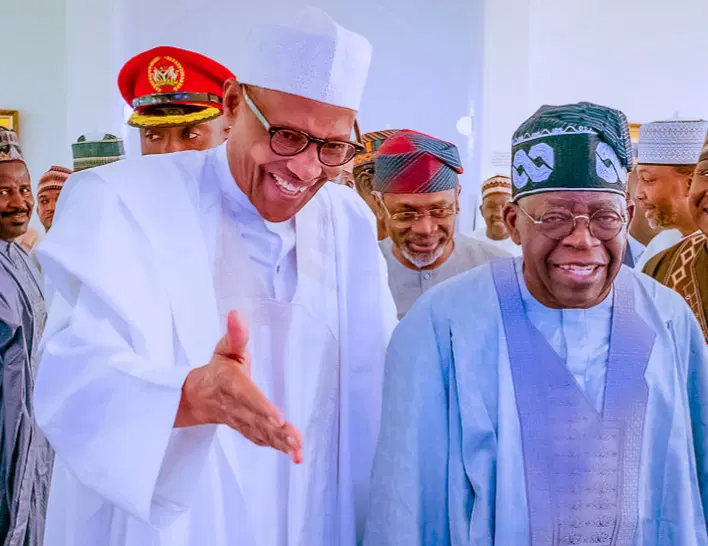
Tinubu took over leadership from himself, President Bola Tinubu said, explaining that his administration is a continuation of previous governance arrangements in which former President Muhammadu Buhari served as a partner in national leadership decisions. The remarks were made during an engagement with members of the Renewed Hope Ambassadors at the State House in Abuja.
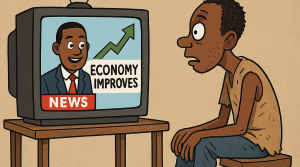
President Bola Tinubu, who succeeded Muhammadu Buhari in 2023 after the end of Buhari’s two-term administration, has repeatedly defended his economic and governance reforms since assuming office. The statement comes amid ongoing national debates over economic hardship, inflation, and the impact of recent policy adjustments introduced by the current administration.
Tinubu said he is not dwelling on the state of the economy he inherited, adding that governance decisions should be viewed as a continuous process. He stated that Buhari should be considered part of the same governance framework that preceded his administration.
“I didn’t have to look back because the truth is, I took over from myself. The late Muhammadu Buhari is me, he was a partner. If I took over from him, is that not from myself?” he said. The President explained that leadership transitions within the same political structure should be understood as continuity rather than separation.
He urged supporters to remain focused on government programmes under the Renewed Hope agenda, stating that reforms are aimed at long-term national development. Tinubu also called on political actors and citizens to support democratic processes and respect institutional frameworks, including the judiciary.
He said the administration would continue to push policies targeted at economic recovery, infrastructure development, and social stability. The statement that Tinubu took over from himself adds to ongoing political discussions about continuity in governance between the Buhari and Tinubu administrations.
It also reflects the administration’s framing of policy reforms as part of a longer-term national economic adjustment process rather than isolated policy shifts. The remarks are likely to continue generating public debate on leadership accountability, economic outcomes, and policy direction.