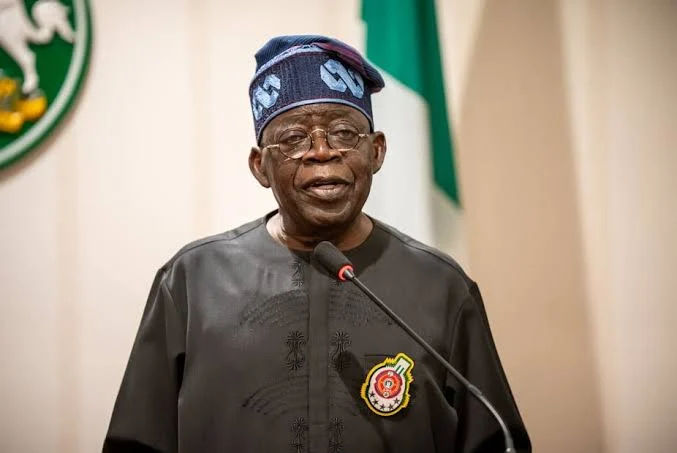
Tinubu signs 2026 budget into law, approving a total expenditure of ₦68.32 trillion while also extending the implementation period of the 2025 budget to June 30, 2026, in a move aimed at ensuring completion of ongoing projects and fiscal continuity.
President Bola Tinubu assented to the 2026 Appropriation Bill following its passage by the National Assembly, in line with Nigeria’s constitutional budgetary process. The annual appropriation framework remains central to Nigeria’s fiscal planning, guiding government spending across key sectors such as infrastructure, security, and social services.
The extension of the 2025 budget implementation reflects ongoing efforts by the Federal Government to allow Ministries, Departments, and Agencies to complete capital projects already underway.
Tinubu signs 2026 budget with an aggregate expenditure of ₦68.32 trillion, one of the largest fiscal frameworks in Nigeria’s history.
The approved budget includes:
- ₦4.799 trillion for statutory transfers
- ₦15.8 trillion for debt servicing
- ₦15.4 trillion for recurrent expenditure
- ₦32.2 trillion allocated to capital projects
The Presidency stated that the allocation reflects a balance between debt obligations, operational costs, and investment in infrastructure and development priorities. In addition, Tinubu signs 2026 budget alongside a separate amendment bill extending the implementation period of the 2025 budget from March 31 to June 30, 2026.
According to government officials, the extension is intended to ensure full utilisation of appropriated funds, particularly for capital projects at advanced stages of execution across the country. The President also directed Ministries, Departments, and Agencies to ensure disciplined and transparent use of public funds, with emphasis on value for money and timely project delivery.
The development that Tinubu signs 2026 budget signals the administration’s continued focus on fiscal expansion, infrastructure investment, and economic stabilisation.
The significant allocation to capital expenditure indicates prioritisation of development projects, which may impact job creation, economic growth, and public service delivery. The extension of the 2025 budget is also expected to improve project completion rates and reduce abandoned infrastructure across sectors.