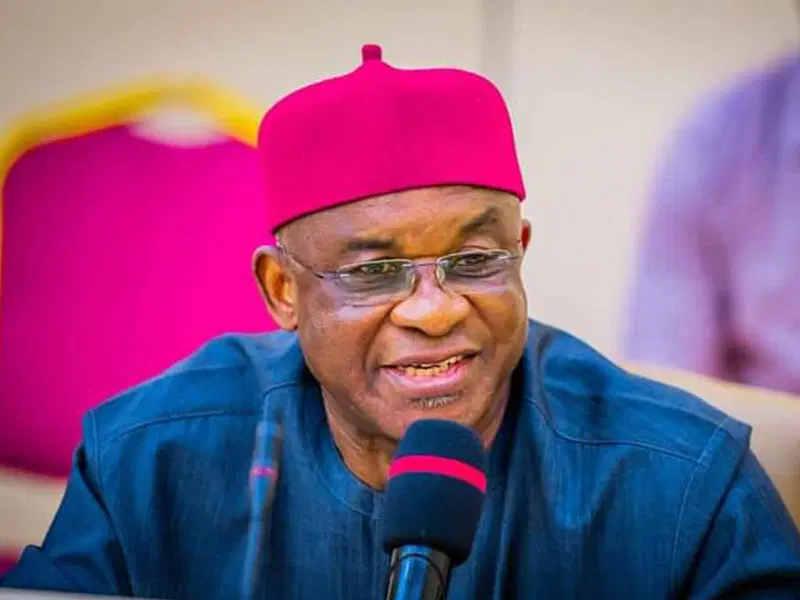
ADC rejects political pressure as former Senate President David Mark declared that the African Democratic Congress will not yield to intimidation, stressing the party’s resolve to remain firm despite ongoing challenges.
The statement comes at a time when the African Democratic Congress (ADC) is navigating internal and external pressures, including legal disputes, leadership tensions, and logistical challenges surrounding its national convention.
Recent developments have placed the party at the centre of Nigeria’s opposition politics, particularly as realignments intensify ahead of the 2027 general elections. The ADC has also faced scrutiny over venue issues and court interventions affecting its planned activities.
These developments have contributed to broader conversations about the political environment and the operational space available to opposition parties.
Addressing party members, David Mark stated that the ADC rejects political pressure and would remain resolute in defending its principles and organisational independence.
He said: “We have made it clear that in an ever-shrinking democratic space, the ADC will not bow, will not be cowed, and we will not retreat.”
Mark emphasised that the party’s position is rooted in its commitment to democratic values, adding that political pressure should not undermine institutional processes or the rights of opposition groups.
He further stated that the challenges facing the party have strengthened internal unity and reinforced its determination to continue engaging in the political process.
According to him, the ADC rejects political pressure not only as a stance against external influence but also as a commitment to building a credible opposition platform.
He also called for greater collaboration among opposition leaders, stressing that national challenges require coordinated political engagement rather than fragmentation.
The position that ADC rejects political pressure highlights ongoing concerns about political competition and the balance of power within Nigeria’s democratic system.
It reflects the importance of opposition parties in maintaining accountability, policy debate, and electoral competitiveness.
The development also underscores the role of political leadership in shaping party direction during periods of tension and transition, particularly as preparations for future elections continue.