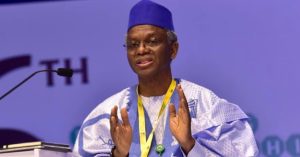

Adelabu electricity promise fails to deliver expected relief as Nigerians across multiple states report continued power outages two weeks after Minister of Power, Adebayo Adelabu assured improved electricity supply, raising fresh concerns about the country’s energy sector performance.
On March 24, Adebayo Adelabu publicly apologised for widespread blackouts and assured Nigerians that electricity supply would improve within two weeks. He attributed the outages to gas supply constraints and technical challenges affecting the national grid.
The assurance came amid worsening power conditions across the country, particularly during a period of intense heat, which increased demand from households, businesses, and institutions.
The Federal Government had also announced approval of about ₦3.3 trillion to address outstanding debts in the power sector, a move that drew mixed reactions from stakeholders and energy experts.
Despite the minister’s assurance, findings show that electricity supply remains inconsistent across several states. A cross-country check indicates that many households and businesses have not experienced the promised improvement.
Residents in different parts of Nigeria described persistent outages and irregular supply patterns. In Abuja, a resident in Utako reported prolonged blackouts with only brief restoration periods, questioning the value of services being paid for.
Similar concerns were expressed in Lagos, where consumers under premium tariff bands reported not receiving the expected hours of electricity supply tied to their billing category.
Across Delta, Ondo, Imo, Edo, and Ekiti states, residents reported extended periods without electricity, with some communities experiencing near-total blackouts for weeks. Data from the sector also shows that power generation has remained between 3,000 and 4,000 megawatts, significantly below previous levels above 5,000 megawatts recorded in 2025.
The minister had earlier stated: “Two weeks from now, we should start seeing improvements in supply.” However, the expiration of that timeline has not translated into widespread improvement in electricity delivery.
The Adelabu electricity promise fails outcome has implications for public confidence in government commitments and policy execution within the power sector.
Persistent outages continue to affect businesses, schools, and healthcare services, increasing operational costs and limiting productivity. The situation also places additional financial pressure on households that rely on alternative energy sources.
Experts, including Dr. Muda Yusuf of the Centre for the Promotion of Private Enterprise (CPPE), note that structural challenges such as liquidity constraints, gas supply issues, and tariff imbalances must be addressed to achieve sustainable improvements.
Stakeholders further highlight the need for reforms that enable the sector to attract investment and generate consistent revenue.